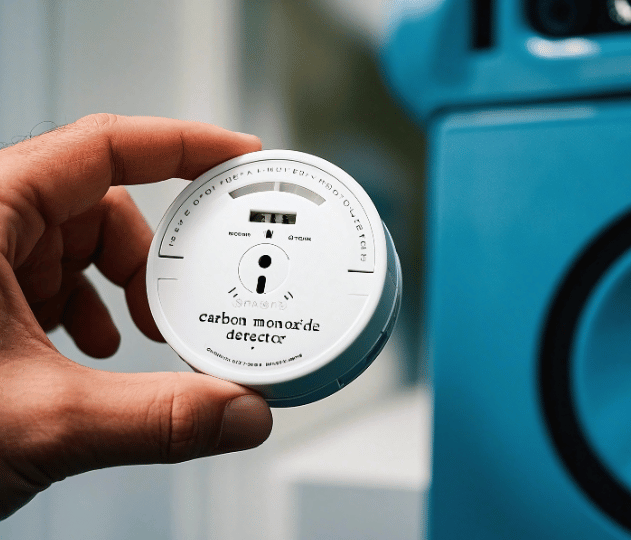
Carbon monoxide (CO) is an invisible, odourless, and tasteless gas that can be extremely dangerous, even deadly, when inhaled in high concentrations. Often called the “silent killer,” CO is produced from burning fuels such as gas, wood, charcoal, and oil. Since it is impossible to detect without specialized equipment, having a carbon monoxide detector is crucial for ensuring safety in homes, offices, and other indoor spaces.
This article will explore everything you need to know about carbon monoxide detectors, including how they work, types, installation tips, and maintenance guidelines. We will also discuss how to respond to a CO alarm, laws and regulations regarding CO detectors, and additional safety measures you can take to prevent CO poisoning.
| Feature | Details |
|---|---|
| Purpose | Detects and alerts you to dangerous levels of carbon monoxide (CO). |
| Common Locations | Near bedrooms, on each floor, close to fuel-burning appliances. |
| Types | Battery-operated, hardwired, plug-in, smart (Wi-Fi enabled). |
| Lifespan | 5 to 10 years, depending on the model. |
| Power Source | Battery-powered, hardwired with backup battery, or plug-in models. |
| Alarm Sound | Loud beeping (usually 85 decibels or more) when CO levels are high. |
| Sensor Types | Biomimetic, electrochemical, and metal oxide semiconductor sensors. |
| Testing Frequency | Monthly testing is recommended. |
| Replacement | Replace every 5-10 years or as specified by the manufacturer. |
| Installation Tips | Avoid garages, bathrooms, and direct proximity to cooking appliances. |
| Smart Features | Some models connect to apps and send alerts remotely. |
| Cost Range | $20 to $100+ depending on features. |
| Common Brands | Kidde, First Alert, Nest Protect, X-Sense, Google Nest. |
| False Alarm Causes | Steam, humidity, or placement near fuel-burning appliances. |
| Emergency Steps | Evacuate immediately, call emergency services, and ventilate the area. |
Carbon Monoxide Detector
A carbon monoxide detector is designed to detect CO gas in the air and alert occupants before the levels become hazardous. These detectors use various sensing technologies to measure CO levels and trigger an alarm when concentrations exceed safe limits.
Unlike smoke detectors, which sense smoke particles, CO detectors focus on identifying the buildup of carbon monoxide, which is often undetectable by human senses. Because CO can accumulate in enclosed spaces without warning, a CO detector is an essential safety device for any household or workplace.
How Do Carbon Monoxide Detectors Work?
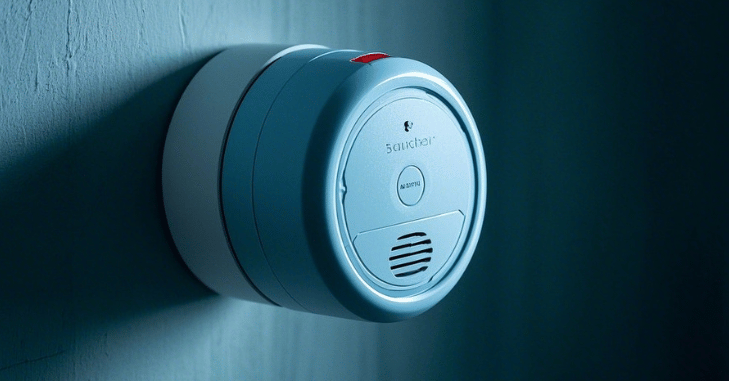
CO detectors use different technologies to detect carbon monoxide. The three primary types are:
Electrochemical Sensors
These detectors use an electrochemical cell to sense CO levels. When CO comes into contact with the sensor, it triggers a chemical reaction that generates an electric current, setting off the alarm. These detectors are known for their high accuracy and stability.
Metal Oxide Semiconductor Sensors
These detectors contain a silica chip that reacts to CO, altering its electrical resistance and triggering the alarm. They are durable and effective, but due to environmental changes, they may be more prone to false alarms.
Biomimetic Sensors
These use a gel-like substance that changes color when it absorbs CO, activating the sensor and sounding the alarm. They mimic how CO affects hemoglobin in the blood, making them a reliable option.
Types of Carbon Monoxide Detectors
There are several types of CO detectors available, each suited for different needs:
Battery-Operated Detectors—These are portable and easy to install but require regular battery replacement. They are ideal for areas without power outlets.
Plug-In Detectors – These plug directly into wall outlets and often come with battery backups in case of power outages. They offer convenience but should be placed strategically to ensure they are not blocked by furniture or appliances.
Hardwired Detectors – These are directly connected to a home’s electrical system and typically include a battery backup. They are ideal for long-term use and often integrate with home security systems.
Smart CO Detectors—These advanced models connect to Wi-Fi and send smartphone alerts, making them ideal for remote monitoring. Some models also integrate with home automation systems for enhanced safety.
Where to Install a Carbon Monoxide Detector?
Proper placement of CO detectors is essential for their effectiveness. Here are some key placement tips. Install at least one detector on each level of your home, including basements and attics. Place detectors near sleeping areas so alarms can be heard during the night.
To prevent false alarms, avoid placing detectors near fuel-burning appliances, such as stoves or fireplaces. Keep them away from vents, windows, or humid areas, as external factors can affect sensor accuracy. Ensure a detector is near garages, especially if you park vehicles inside, as idling engines can lead to CO buildup.
The effectiveness of a carbon monoxide detector depends heavily on where it is installed in the home. For maximum protection, it should be positioned in areas where people spend the most time, especially sleeping areas, since CO exposure is often dangerous at night when symptoms go unnoticed. Installing detectors at breathing height—such as on bedroom walls or just outside sleeping rooms can improve early detection.
It is also wise to install additional units in hallways connecting different rooms, ensuring that any gas buildup is quickly detected as it spreads through the house. Avoid placing detectors too close to appliances that produce heat or moisture, as this can interfere with sensor performance and reduce accuracy over time.
The Critical Role of Carbon Monoxide Detectors in Home Safety
Carbon monoxide detectors serve as essential safety devices in any home because they monitor indoor air for the presence of carbon monoxide (CO), a colorless and odorless gas that can be deadly without warning. Unlike smoke or gas leaks that might be noticeable by smell or sight, CO cannot be detected by human senses, making these alarms crucial for early alert and prevention of poisoning.
When CO levels rise to dangerous concentrations, the detector’s sensor triggers a loud alarm, giving occupants time to evacuate and seek fresh air before symptoms like headaches, dizziness, or nausea escalate into more serious health risks. Placing detectors correctly—such as near sleeping areas and on every level of a home—ensures the broadest coverage and fastest response in an emergency.
How to Maintain Your Carbon Monoxide Detector?
Test the alarm monthly using the test button. Replace batteries at least once yearly (unless using a sealed lithium battery model). Clean the detector regularly to remove dust and debris. Replace the entire unit every 5–10 years, depending on the manufacturer’s guidelines. Check expiration dates on detectors, as older models may not function properly.
What to Do if a Carbon Monoxide Alarm Goes Off?
If your CO detector alarm sounds, follow these steps immediately Do not ignore the alarm – Even if no one is feeling symptoms, take it seriously. Evacuate the building – Move everyone to fresh air outside or near an open window. Call emergency services – Contact the fire department or a qualified technician to assess the situation. Do not re-enter the building until authorities confirm it is safe. Identify the source – Have a professional inspect fuel-burning appliances, chimneys, and ventilation systems.
Laws and Regulations on Carbon Monoxide Detectors
Many jurisdictions require CO detectors in residential and commercial buildings. Some key regulations include Mandatory installation in new homes and rental properties in many states and countries.
There are requirements for CO detectors in specific locations, such as near sleeping areas and fuel-burning appliances. Penalties for non-compliance include fines and legal liabilities for landlords. Before purchasing a CO detector, check local regulations to ensure compliance.
Symptoms of Carbon Monoxide Poisoning
CO poisoning can be life-threatening if not detected early. Symptoms include:
- Headaches
- Dizziness
- Nausea
- Shortness of breath
- Confusion
- Loss of consciousness
- Chest pain
- Blurred vision
If you or anyone in your home experiences these symptoms and suspects CO exposure, leave the premises immediately and seek medical attention.
Additional Safety Tips to Prevent CO Poisoning
Never run a car inside an enclosed garage, even with open doors. Ensure proper ventilation when using fuel-burning appliances. Have heating systems inspected annually by a professional? Never use charcoal grills or portable gas stoves indoors. Install CO detectors alongside smoke alarms for comprehensive protection.
Conclusion
Carbon monoxide detectors are vital to home safety, protecting against an invisible but deadly threat. By choosing the right type of detector, installing it properly, and maintaining it regularly, you can safeguard yourself and your loved ones from CO poisoning.
With increasing awareness and stricter regulations, CO detectors are becoming a standard safety measure in households worldwide. If you haven’t installed a CO detector yet, now is the time to take action—your life could depend on it!
Apart from that if you want to know about “Samsung Galaxy Z Flip: A Comprehensive Review About Its Display, Design, Software and Hardware Features, and More Info” then please visit our “Tech” Category.
FAQs
A carbon monoxide (CO) detector is a device that senses and alerts you to the presence of carbon monoxide gas, which is colourless, odourless, and potentially deadly.
Carbon monoxide is a silent killer because it cannot be seen or smelled. A CO detector helps prevent poisoning by alerting you when CO levels become dangerous.
Install CO detectors near bedrooms, on each home floor, and close to fuel-burning appliances (like stoves, fireplaces, and water heaters).
They use sensors to detect CO levels in the air. When CO reaches a dangerous level, the detector sounds an alarm.
Most last between 5 to 10 years. Check the manufacturer’s guidelines for replacement recommendations.