Coronation Street is a long-running British soap opera produced by ITV and created by writer Tony Warren. First broadcast on 9 December 1960, it was originally intended as a short experimental series to test whether audiences would connect with a drama centered on ordinary working-class life.
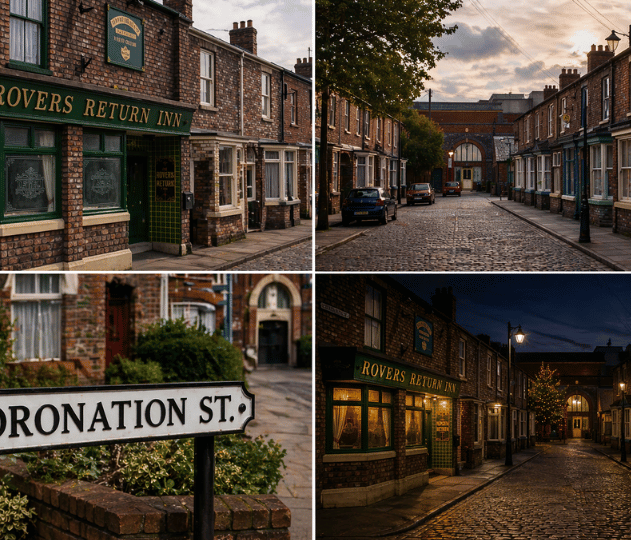
Set in the fictional town of Weatherfield in Greater Manchester, the show revolves around the daily lives of residents living on Coronation Street, a close-knit cobbled street lined with terraced houses, a corner shop, a local pub, cafés, and small businesses that form the heart of a tightly connected community.
Over time, the series has expanded beyond the street itself to include workplaces, social hubs, and community spaces, all reflecting the realities of working-class life in Britain. Its storytelling is built on a strong foundation of relationships, personal struggles, celebrations, and conflicts, blending emotional drama.
| Section | Summary |
| Introduction | Long-running British soap created by Tony Warren, which first aired in 1960, focused on working-class life. |
| Initial Purpose | Originally planned as a short experimental series, it became hugely successful. |
| Setting | Fictional Weatherfield, centered on Coronation Street’s cobbled, close-knit community. |
| Community Life | Shows everyday interactions in houses, pubs, cafés, shops, and workplaces. |
| Story Style | Character-driven storytelling with emotional realism and humor. |
| Major Themes | Family conflict, love, betrayal, poverty, crime, and social issues. |
| Social Relevance | Reflects real-life problems like mental health, addiction, and domestic abuse. |
| Creation History | Tony Warren faced rejection before ITV approved the idea. |
| Early Success | Quickly became one of the UK’s most-watched TV programs. |
| Iconic Pub | The Rovers Return Inn is the central social hub for all major events. |
| Key Locations | Includes Roy’s Rolls, Underworld factory, Corner Shop, and homes. |
| Famous Characters | Ken Barlow, Rita Tanner, Gail Platt, Roy Cropper, Audrey Roberts. |
| Production | Filmed at MediaCityUK with fast-paced weekly episode production. |
| Set Design | The permanent cobbled street set is one of TV’s most famous visuals. |
| Longevity | Running continuously since 1960 with thousands of episodes. |
| Awards | Won National TV Awards and British Soap Awards multiple times. |
| Cultural Influence | Shaped British slang, values, and understanding of working-class life. |
| Career Launchpad | Helped many British actors gain fame and long careers. |
| Global Reach | Broadcast in countries like Canada, Australia, and New Zealand. |
| Modern Updates | Includes diversity, faster pacing, and streaming availability. |
| Story Impact | Some storylines influence public discussion on real issues. |
| Emotional Appeal | Strong emotional connection keeps viewers watching for decades. |
| Consistency | Rare long-term continuity with no major broadcast breaks. |
| Humor Balance | Mixes emotional drama with light, everyday humor. |
| Legacy | Considered a cultural institution in British television history. |
Coronation Street
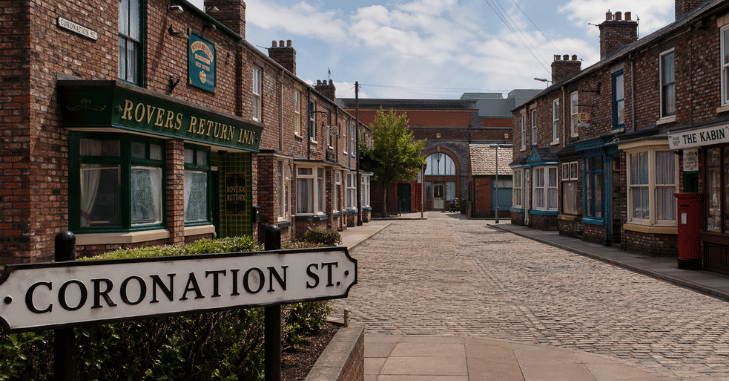
It is a long-running British soap opera produced by ITV and created by writer Tony Warren. It first aired on 9 December 1960, originally intended as a short experimental series, but it quickly exceeded expectations and became one of the most successful and enduring television programs in British history.
Set in the fictional town of Weatherfield in Greater Manchester, the show primarily follows the everyday lives of residents living on Coronation Street, a tightly connected cobbled street lined with terraced houses, a corner shop, a pub, and various small local businesses.
Over time, the series has expanded its world to include workplaces, cafés, and community spaces, all of which reflect the close-knit nature of working-class life. Its storytelling focuses on relationships, struggles, celebrations, and conflicts within the community, blending drama and humor in a way that has kept audiences engaged for decades.
Creation and Early History
The creator, Tony Warren, originally struggled to convince television executives that a working-class drama could succeed. At the time, most British TV focused on upper or middle-class settings. However, once produced, the show quickly became a national phenomenon.
Key early milestones:
- The first episode aired in 1960
- Initially aired twice a week
- Became so popular that it expanded its broadcast schedule
- Survived early criticism and scheduling doubts
- Within a few years, it became the UK’s most-watched program.
Setting: Weatherfield and Coronation Street
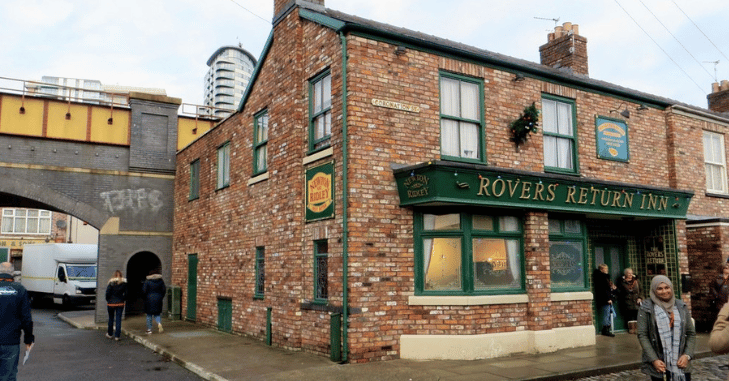
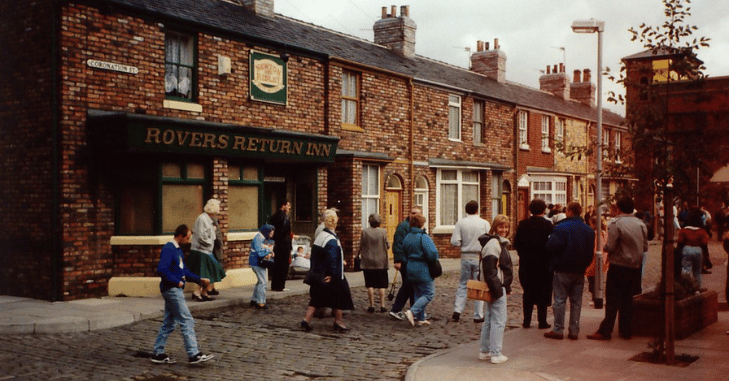
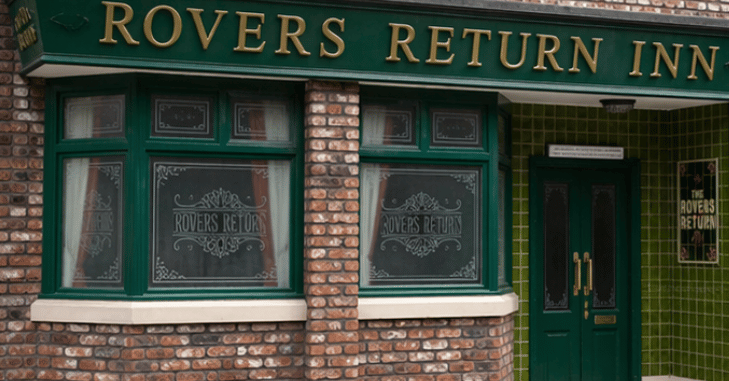
The fictional town of Weatherfield in Street is loosely based on Salford in Greater Manchester. The show features several key locations that are central to its storytelling. These include The Rovers Return Inn, the main pub where most social interactions and dramatic moments take place, and Roy’s Rolls, a popular café owned by Roy Cropper.
Another important setting is the Underworld factory, which serves as a major workplace for many female characters. The Corner Shop, known over time as the Kabin and earlier versions tied to Roy’s Rolls, is also a familiar part of the street. In addition, the residential houses along Coronation Street itself form the heart of the community.
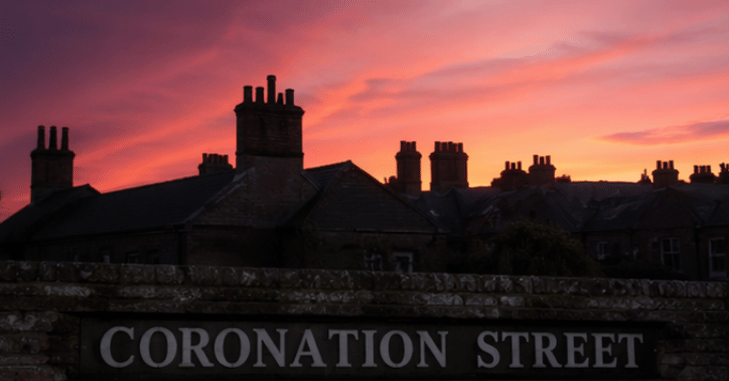
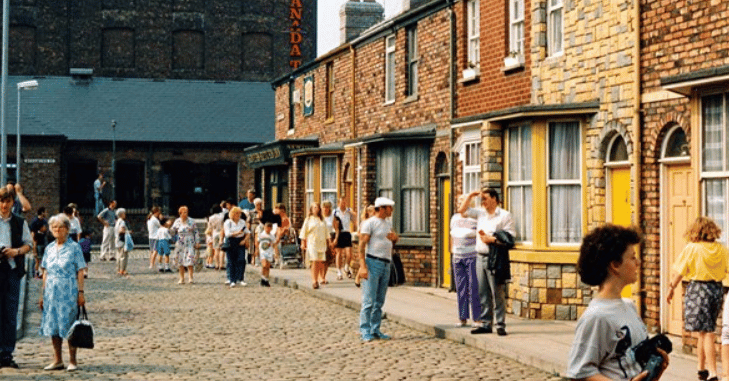
This carefully constructed setting plays a crucial role in the show’s narrative, with the cobbled street becoming one of the most iconic and recognizable sets in British television history.
Story Style and Themes
| No. | Major Theme | Description |
| 1 | Family relationships and generational conflict | The show explores complex family dynamics, including disagreements between parents, children, and extended relatives across generations. |
| 2 | Love, marriage, and betrayal | Romantic relationships often form the core of storylines, including marriages, affairs, heartbreak, and emotional betrayals. |
| 3 | Poverty and working-class life | It realistically portrays everyday financial struggles and the challenges faced by working-class communities. |
| 4 | Crime and moral dilemmas | Characters frequently face difficult choices involving crime, justice, and ethical conflicts. |
| 5 | Humor and everyday resilience | Alongside drama, the show highlights humor and the ability of characters to cope with life’s hardships. |
| 6 | Social issues | Important topics such as domestic abuse, addiction, mental health, and racism are regularly addressed. |
Iconic Characters
Over the decades, hundreds of characters have appeared, but some have become legendary.
- Ken Barlow – one of the longest-serving characters in soap history
- Rita Tanner – known for her strength and wisdom
- Audrey Roberts – salon owner and strong matriarch
- Roy Cropper – eccentric but kind café owner
- Gail Platt – central to multiple dramatic family storylines
- Many characters remain on the show for decades, allowing viewers to grow alongside them.
The Rovers Return Inn
The Rovers Return Inn is more than just a pub, it is the emotional heart of the series. Almost every major storyline has passed through its doors, including:
- weddings
- fights
- funerals
- celebrations
- dramatic confrontations
- It represents the social center of Weatherfield life.
Production and Filming
It is produced by ITV Studios and is primarily filmed at MediaCityUK in Salford, England. The production process is highly structured and fast-paced, reflecting the demands of a long-running soap opera.
Multiple episodes are filmed every week using a carefully organized rotating script system to keep storylines moving smoothly. The show also features a permanently constructed outdoor cobbled street set, which has become one of its most recognizable visual elements, along with a large indoor studio used for interior scenes.
Longevity and Records
The show holds several impressive records:
- One of the longest-running TV soaps in the world
- Thousands of episodes produced
- Continuous broadcast since 1960
- Guinness World Record holder for longest-running TV soap opera (in the UK context)
- Few television shows have maintained relevance for more than six decades.
Cultural Impact
It has had a profound influence on British culture over the decades. It has helped shape public understanding of working-class life by portraying realistic, everyday struggles and experiences in a relatable way. The show has also played an important role in launching the careers of many British actors, giving them a platform to gain national and international recognition.
Over time, it has introduced various slang words and phrases into everyday speech, further embedding itself into popular culture. In addition, it has consistently reflected real social issues in mainstream media, helping to raise awareness and encourage public discussion on important topics.
Famous Storylines
The show is known for dramatic, emotional, and sometimes shocking story arcs.
- long-running family feuds
- tragic deaths and accidents
- romantic entanglements and love triangles
- criminal investigations and courtroom dramas
- mental health awareness stories
- Some storylines have even influenced public discussions on real-world issues.
Awards and Recognition
Over the years, the show has received:
- National Television Awards
- British Soap Awards
- International recognition for storytelling
- It is widely respected in the television industry for consistency and longevity.
Modern Era and Evolution
Despite its long history, the show continues to evolve in meaningful ways. Modern updates include a more diverse cast representation, reflecting a wider range of backgrounds and communities. It also incorporates contemporary social issues into its storylines, making the content more relevant to today’s audience.
In addition, production quality has significantly improved over time, with better filming techniques and visual presentation. Compared to earlier decades, the storylines have also become faster-paced, keeping up with modern viewer expectations. The show now has a strong online and streaming presence, allowing audiences to watch episodes anytime and anywhere.
International Popularity
Although it is a British soap, it is also broadcast internationally in countries such as:
- Canada
- Australia
- Ireland
- New Zealand
- parts of Europe
- It has a loyal global fan base that follows storylines regularly.
Why Coronation Street Remains Popular?
| No. | Reason | Explanation |
| 1 | Relatable storytelling | The characters feel real and grounded in everyday life, making it easy for viewers to connect with their struggles and experiences. |
| 2 | Strong emotional connection | Viewers often watch for years or decades, forming deep emotional bonds with long-running characters and their journeys. |
| 3 | Consistency | Unlike many shows, it has maintained continuous broadcasting with no long cancellations or major breaks. |
| 4 | Balance of drama and humor | The show mixes serious, emotional storylines with light-hearted and humorous moments, keeping it engaging. |
| 5 | Ever-evolving cast | New characters are regularly introduced while long-standing characters remain, keeping the storyline fresh yet familiar. |
Legacy of Coronation Street
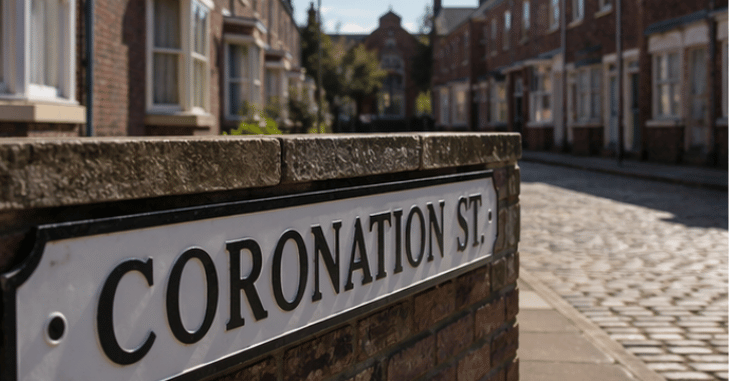
After more than 60 years, Coronation Street is far more than just a television program; it stands as a true cultural landmark. Over the decades, it has chronicled the changing face of British society from the 1960s to the present day, reflecting how people live, work, and interact across different eras.
Its legacy is deeply rooted in its ability to preserve social history through fiction, capturing everyday struggles, values, and traditions in a relatable way. The show has also influenced generations of writers and producers, shaping storytelling techniques and inspiring countless television dramas around the world.
In addition, it has played a major role in shaping the soap opera genre globally, setting standards for long-form, character-driven storytelling that continues to influence television today.
Coronation Street’s Cultural Importance in British Television
Coronation Street has maintained its status as one of Britain’s most influential television dramas by consistently reflecting the realities of everyday working-class life in a relatable and engaging way. Its strength lies in its long-term character development, allowing audiences to form deep emotional connections with families and individuals over many years.
The show’s ability to balance dramatic storylines with humor and social commentary has helped it remain relevant across generations. By addressing important issues such as relationships, mental health, crime, and social change, it continues to serve not only as entertainment but also as a reflection of evolving British society and culture.
Conclusion
Coronation Street remains one of the most remarkable achievements in television history, standing as a powerful reflection of everyday life for more than six decades. From its humble beginnings as an experimental drama in 1960 to becoming a global cultural phenomenon.
Today, it is not only a source of entertainment but also a cultural archive that documents the changing face of British society, making it a timeless symbol of resilience, community, and human connection in television history.
Want to know about Virgin River Season 7 Check out our Entertainment category.
FAQs
It is a British soap opera that follows the everyday lives, relationships, and struggles of residents living on Coronation Street in the fictional town of Weatherfield.
It first aired on 9 December 1960 on ITV.
The show was created by writer Tony Warren.
It is mainly filmed at MediaCityUK in Salford, England, on a specially built cobbled street set.
It is popular because of its realistic storytelling, emotional characters, long-running storylines, and strong connection to everyday life.
Yes, the show is still running and continues to release new episodes regularly on ITV and streaming platforms.
Over the decades, thousands of episodes have been produced, making it one of the longest-running and most extensive soap operas in television history.
The most iconic location is The Rovers Return Inn, the main pub where many major storylines, conversations, and dramatic events take place.
Yes, it has won multiple awards, including National Television Awards and British Soap Awards, recognizing its long-term success and storytelling quality.