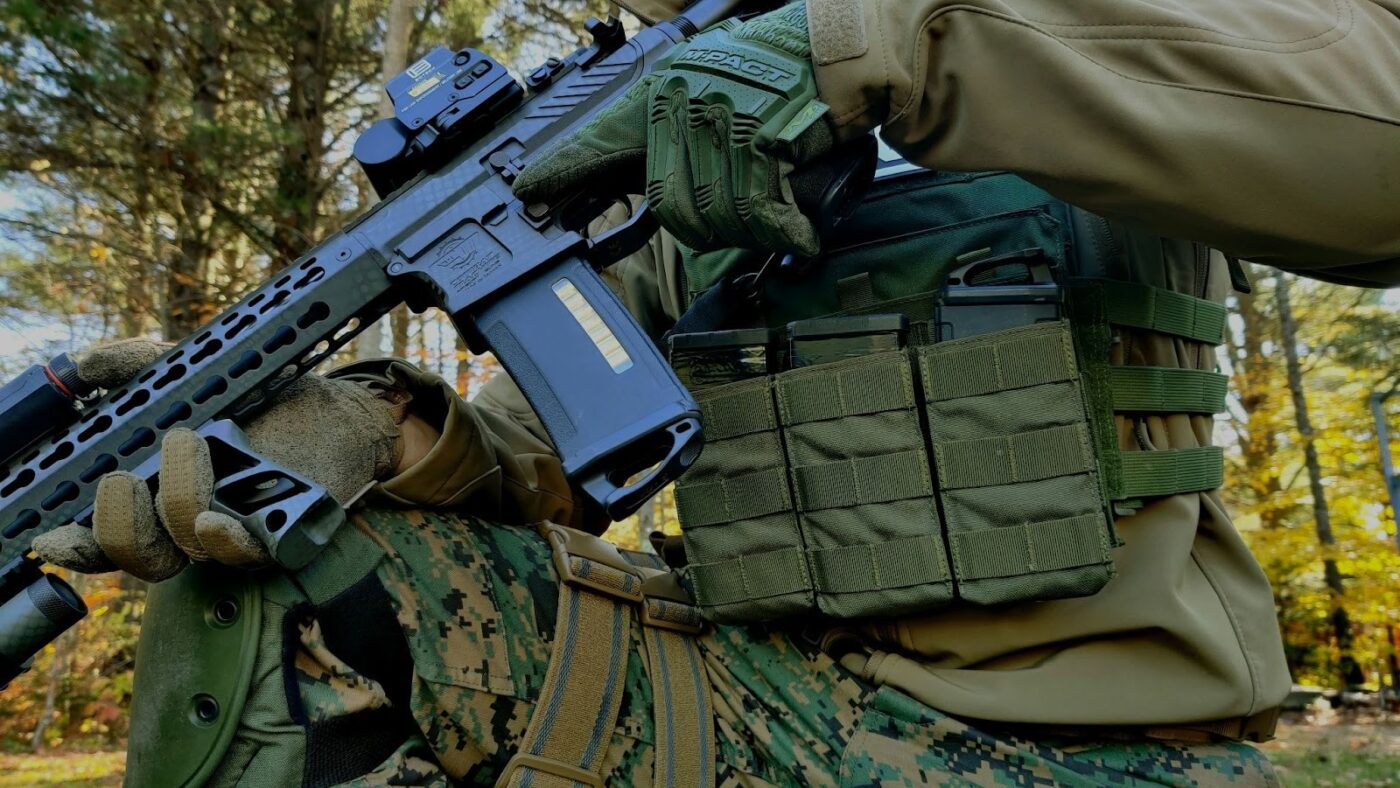
Tarkov is not striving to be comfortable. It does not pursue adrenaline by having an endless firefight and does not pay the player with a constant spectacle. Tarkov works in the reverse direction and creates tension gradually and deliberately. Each raid is unstable, and it seems that the whole run is resting on a single step or a single wrong move. Tarkov trains restraint instead of reflexes, making patience one of the most useful skills that a player can train.
A world that pushes back
Tarkov’s locations feel threatening not because enemies are everywhere, but because safety never is. Streets look empty yet feel watched. Buildings remain dangerous even when silent. Open areas create stress rather than freedom. This discomfort is deliberate. There are no highlighted routes, no clear objectives pointing the way forward. The world does not guide players; it challenges them.
That resistance reshapes behavior. Movement becomes deliberate instead of automatic. Routes are planned, exits are memorized, and every piece of cover suddenly matters. Even veteran players approach familiar areas with caution. Tarkov’s maps are not neutral spaces; they constantly apply pressure and demand respect.
Money is a survival tool
Strong aim alone rarely saves a raid. What truly defines success often happens before deployment. Loadout choices, ammunition quality, armor condition, and medical supplies all decide how many mistakes a player can survive. Preparation creates stability, while poor planning turns small errors into instant failure.
Managing tarkov roubles becomes essential. Currency in Tarkov is not about luxury or cosmetics. It represents control. Money allows players to recover after losses, run consistent gear, and avoid reckless decisions driven by desperation. In Tarkov, financial discipline is not optional; it is part of staying alive.
Learning through consequences
Tarkov does not explain itself. Mechanics are layered, maps feel confusing, and extraction points are often unclear. Early raids are brutal, but not meaningless. Every failure carries information forward. Knowledge, once earned, cannot be taken away.
To reduce early frustration, many players turn to trusted external resources. One reliable starting point is the detailed beginner’s guide on IGN, which explains Tarkov’s systems while preserving its difficulty. These guides do not simplify the game. They clarify its logic.
Sound creates invisible battles
Sound in Tarkov is not atmosphere; it is intelligence. Footsteps reveal distance and intent. Reloading exposes vulnerability. Looting makes noise at the worst possible time. Even small actions can betray position. Silence, on the other hand, becomes a form of defense.
This forces a shift in mindset. Sprinting becomes situational. Waiting becomes meaningful. Most of the matches are won without firing a single shot, as one player can sound louder than the other. Awareness is the most rewarded in Tarkov compared to aggression.
This will make each raid a psychological workout and not a robotic process. Players start to appreciate positioning, timing, and information over pure firepower. The instincts are restructured over time, and Tarkov teaches about acting and disappearing. The battleground turns into not about victory in the fights but about survival decisions.
The economy shapes identity
With experience, Tarkov allows players to naturally define their identity. Some lean toward slow, methodical survival. Others embrace high-risk combat. Some focus on trading, crafting, and long-term profit. The economy supports all of these approaches by enabling choice rather than enforcing a single path.
Some gamers resort to Skycoach, where they can purchase EFT roubles and get an immediate boost to in-game currency. This assists players in buying more powerful weapons, armor, and equipment earlier so that they can concentrate on learning the maps and fighting rather than on doing the same farmwork.
A community built on knowledge
Because Tarkov explains so little, its community has become a critical extension of the experience. Players share maps, mechanics, and survival strategies that the game itself never explains. This exchange of information feels essential rather than optional. The community does not make Tarkov easier; it makes it understandable.
Progress without noise
Progression in Tarkov is intentionally quiet. Unlocking traders, completing difficult tasks, or surviving a high-risk raid rarely comes with celebration. Instead, it creates confidence. Players begin to spot danger sooner, react with less panic, and recover faster from mistakes.
This subtle growth is what makes Tarkov memorable. Progress feels personal because it is measured in judgment, not rewards. Over time, fear does not disappear; it becomes manageable and useful.
Conclusion
Escape from Tarkov is constructed based on consequence. All the systems, sounds, economies, movements, and preparations support the notion that decisions are important. It is not a game of speed, domination, but control, awareness, and understanding. It is an experience that requires patience and intelligence, and whether it is done naturally or with the help of resource stabilization services such as Skycoach, Tarkov is a challenging one. It is an outlier in a genre of noise and spectacle, and it demonstrates that pressure, silence, and considered play can be much more effective.
Apart from that, if you want to know more about Gamification of Reality: What WoW and other virtual worlds teach us then visit our Gaming category.