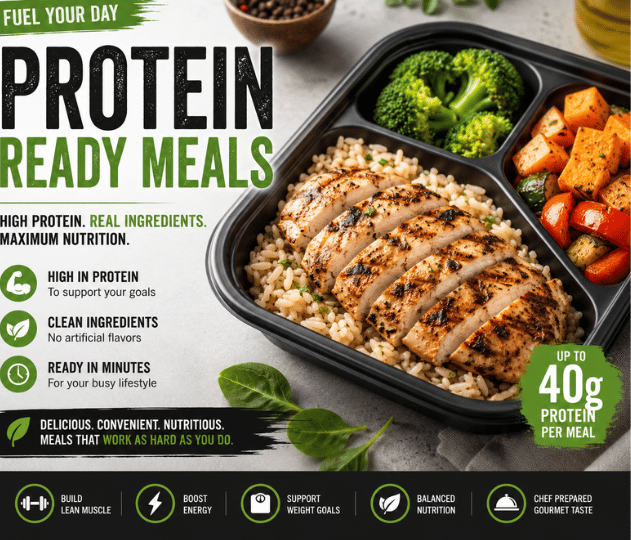
In today’s fast-paced world, finding time to cook healthy meals every day can be a real challenge. Between long work hours, family responsibilities, fitness commitments, and busy schedules, many people struggle to maintain a balanced diet consistently. This is where protein-ready meals have emerged as a game-changing solution.
Offering the perfect blend of convenience and nutrition, they are specially designed to deliver high-quality protein and essential nutrients without the hassle of cooking. Whether your goal is weight loss, muscle building, increased energy, or simply eating better on the go, protein-ready meals make it easier than ever to stay on track with your health goals while saving valuable time and effort.
This complete guide explains everything you need to know about protein-ready meals, including their benefits, nutritional value, types, ingredients, and how to choose the best options for your lifestyle.
| Section | Summary |
| Introduction | Protein-ready meals are a convenient solution for busy lifestyles, offering balanced nutrition and high protein without cooking time. |
| What Are Protein Ready Meals? | Pre-prepared meals high in protein, containing lean meats, fish, grains, vegetables, and healthy fats. |
| Importance of Protein | Supports muscle growth, energy, metabolism, weight control, and overall body function. |
| Why People Choose Them | Quick, convenient, time-saving, and helpful for fitness and health goals. |
| Health Benefits | Supports weight loss, muscle building, and energy stability, and reduces the stress of meal planning. |
| Types of Meals | Chicken, beef/turkey, seafood, and vegetarian options. |
| Nutrition Profile | Typically 20–40 g protein, balanced calories, carbs, fats, fiber, and vitamins. |
| How to Choose | Look for high protein (20g+), whole foods, moderate calories, and low additives. |
| Who Should Eat Them | Fitness enthusiasts, busy professionals, students, weight loss seekers, and older adults. |
| Weight Loss Benefits | High protein increases fullness and helps control calorie intake. |
| Homemade vs Store-Bought | Homemade offers control; store-bought offers convenience and time-saving. |
| Conclusion | Protein-ready meals support healthy eating goals with convenience, balance, and efficiency. |
What are protein-ready meals?
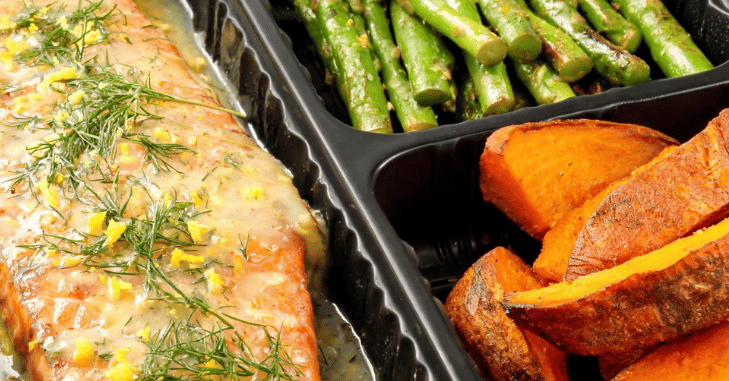
Protein-ready meals are pre-prepared food options that contain a high amount of protein along with balanced nutrients, making them a convenient choice for quick and healthy eating. These meals are usually fully cooked or partially prepared, so they require minimal cooking and can be enjoyed easily at home, at work, or on the go.
They typically include ingredients such as lean meats, chicken or turkey, fish or seafood, eggs, beans and legumes, rice or whole grains, vegetables, and healthy fats to ensure a well-rounded nutritional profile.
Available in frozen, refrigerated, or shelf-stable forms, protein-ready meals are especially popular among fitness enthusiasts, busy professionals, athletes, students, and anyone looking to maintain a healthier and more balanced diet.
Why Is Protein Important for the Body?
Protein is one of the essential nutrients the body needs every day. It plays a major role in muscle repair, energy production, hormone balance, and overall health. Without enough protein, the body may struggle with recovery, muscle maintenance, and appetite control. Protein also helps people stay full for longer periods, reducing unnecessary snacking and overeating.
Main Benefits of Protein
- Supports muscle growth and repair
- Helps maintain healthy metabolism
- Keeps you feeling full longer
- Supports weight management
- Provides long-lasting energy
- Helps maintain healthy skin, hair, and nails
- Supports immune system function
Why People Choose Protein Meals
- Easy way to increase daily protein intake
- Convenient for busy lifestyles
- Helps support fitness and health goals
- Saves meal preparation time
- Provides balanced nutrition quickly
Health Benefits of Protein Ready Meals
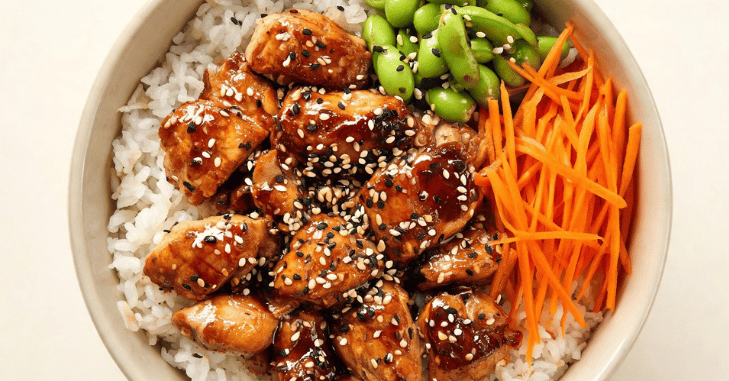
Protein Ready Meals can help support healthy weight loss by keeping you full for longer periods. High-protein foods reduce hunger and cravings, making it easier to control calorie intake throughout the day. Many ready meals are also portion-controlled, which helps prevent overeating and unhealthy snacking.
Helps Build and Maintain Muscle
Protein is important for muscle repair and recovery. People who exercise regularly need enough protein to support lean muscle growth and maintain strength. provide a convenient way to meet daily protein needs without spending extra time cooking.
Provides Better Energy Throughout the Day
Unlike sugary meals that cause energy crashes, they provide steady and balanced energy. Meals that contain protein, healthy fats, and complex carbohydrates help maintain focus, productivity, and stable energy levels during busy days.
Saves Time and Reduces Stress
They are ideal for people with busy lifestyles. They require very little preparation and help reduce the stress of daily cooking and meal planning. Quick preparation, easy portion control, and simple cleanup make healthy eating more convenient.
Common Types
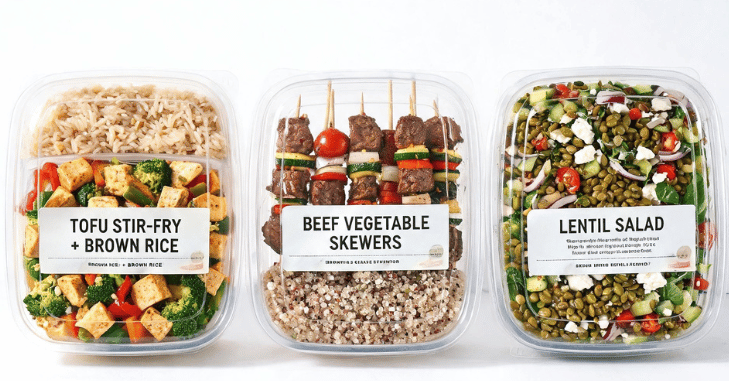
Chicken-Based Meals
Chicken is one of the most common protein sources because it is lean, affordable, and versatile.
Popular options include the following:
- Grilled chicken with vegetables
- Chicken and brown rice bowls
- Chicken pasta means
- Teriyaki chicken dishes
Beef and Turkey Meals
Beef and turkey meals provide rich protein, iron, and important nutrients that support muscle health and energy levels.
Examples include:
- Turkey meatball
- Lean beef with quinoa
- Beef stir-fry meals
- Turkey chili bowls
Seafood Protein Meals
Fish and seafood are excellent sources of protein and healthy omega-3 fats that support heart and brain health.
Common Seafood Meals Include the Following:
- Salmon with vegetables
- Tuna rice bowls
- Shrimp pasta meals
- Fish and quinoa dishes
Vegetarian Protein Meals
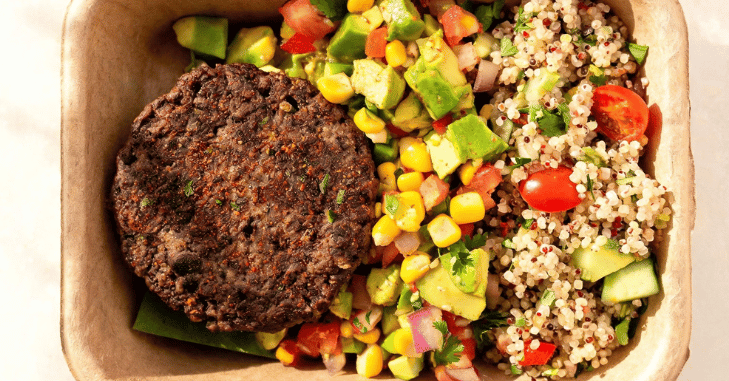
Plant-based foods are growing in popularity. These meals use ingredients like beans, lentils, tofu, and chickpeas for healthy protein sources.
Examples include
- Lentil curry bowls
- Tofu stir-fry meals
- Chickpea rice dishes
| Nutrient | Average Amount |
| Protein | 20–40g |
| Calories | 250–500 kcal |
| Carbohydrates | 20–45g |
| Healthy Fats | 5–15g |
| Fibre | 4–10g |
| Vitamins & Minerals | Iron, Magnesium, B Vitamins |
How to Choose the Best Protein-Ready Meals
When choosing the best, it’s important to check nutrition labels carefully because not all options are equally healthy. A good option should provide at least 20 grams of protein per serving to support muscle health and keep you full for longer.
Focus on meals made with whole food ingredients such as lean meats, whole grains, fresh vegetables, healthy fats, and natural components while avoiding heavily processed additives. It’s also important to choose meals with moderate calorie levels that match your personal fitness or weight goals.
Who Should Eat Protein Ready Meals?
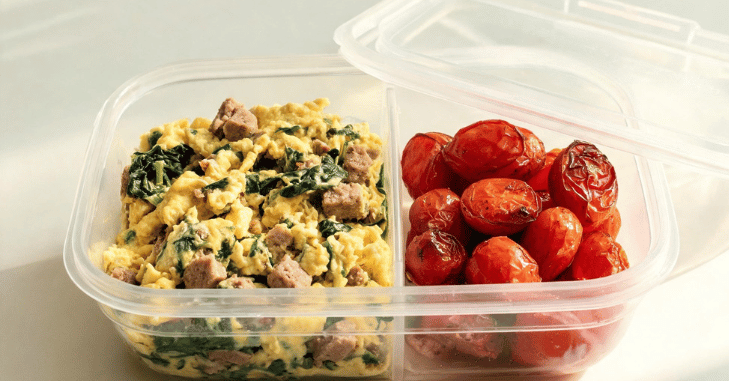
- Fitness Enthusiasts: Athletes and gym-goers use protein-ready meals to support muscle recovery, strength training, and overall performance.
- Busy Professionals: People with demanding schedules rely on protein-ready meals for quick, convenient, and balanced nutrition.
- Students benefit from affordability and easy fits into busy study routines.
- People Trying to Lose Weight: Protein-rich meals help control appetite, reduce hunger, and support healthy weight management.
- Older Adults: Help maintain muscle mass and support healthy aging.
Best Times to Eat Protein-Ready Meals
Timing can make protein-ready meals even more effective, depending on your health goals and daily routine. For fitness enthusiasts, eating a protein-rich meal after exercise can support muscle recovery and replenish energy stores. Busy professionals may benefit from having them during lunch to maintain focus and avoid unhealthy snacking later in the day.
For weight management, consuming a high-protein dinner can increase satiety and reduce late-night cravings. Even as a quick breakfast option, protein-ready meals can help stabilize blood sugar levels and provide long-lasting energy throughout the morning.
Are Protein-Ready Meals Good for weight loss?
Yes, many protein-ready meals can support healthy weight loss when chosen carefully. The key is to select meals that are high in protein, moderate in calories, low in added sugar, and rich in vegetables and fiber. Protein helps increase feelings of fullness, which can reduce cravings and prevent emotional eating throughout the day.
Homemade vs Store-Bought Protein Meals
| Homemade Meals | Store-Bought Meals |
| Full ingredient control | Very convenient |
| Often fresher | Saves time |
| Can be cheaper long-term | Easy portion control |
| Requires meal prep time | Wide variety available |
Choosing Highly Processed Meals
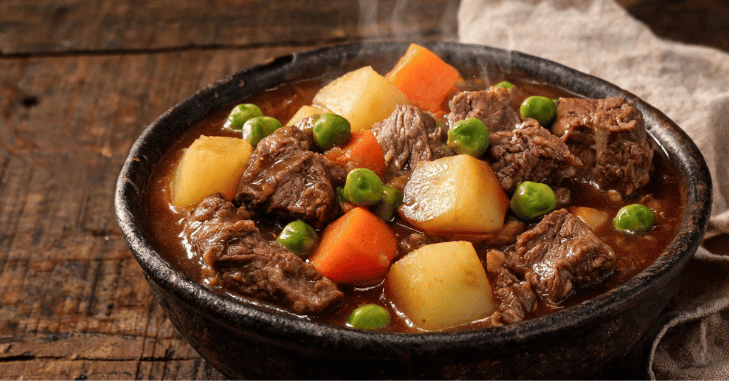
Avoid meals with
- Artificial ingredients
- Deep-fried foods
- Excess sodium
Conclusion
Protein meals offer a simple, convenient, and effective way to maintain a healthy diet without the need for time-consuming cooking. They provide high-quality protein, balanced nutrition, and essential nutrients that support weight loss, muscle growth, improved energy, and overall well-being.
When chosen wisely, focusing on whole food ingredients, lean proteins, and balanced macronutrients, protein-ready meals can easily fit into a wide range of lifestyles, from busy professionals and students to fitness enthusiasts and older adults. As modern life becomes increasingly fast-paced, protein-ready meals continue to play an important role in helping people stay consistent with their health and nutrition goals while saving both time and effort.
Apart from that, if you want to know more about Fage Greek Yogurt: Complete Guide to Nutrition Facts, Calories, Protein Content, Ingredients, Health Benefits & Honest Review then visit our Food category.
FAQs
The finest cereals for bowel motions are those with a lot of wheat bran and insoluble fiber.
Whole grains and nuts with little added sugar make up the healthiest high-fiber cereals.
Drink warm water with a lemon in the morning to hydrate your body and encourage bowel movements.
Add pulses to salads, curries, and stews, such as beans, lentils, or chickpeas.