The hanging leg raise is widely regarded as one of the most effective movements for building core strength, improving grip, and sculpting abdominal muscles. What sets this exercise apart from more traditional floor exercises is its unique ability to challenge stability, requiring the body to engage multiple muscle groups simultaneously.
During hanging leg raises, not only are the abdominal muscles targeted, but the hip flexors, lats, and even the forearms are engaged, promoting a holistic approach to functional strength training.
Whether you are a beginner or an advanced athlete, mastering the proper form and following structured progressions ensures maximum benefits while reducing the risk of injury. This comprehensive guide explores everything you need to know about hanging Leg raises, including technique, progressions, variations, and common mistakes.
| Category | Focus | Key Details |
| Form & Technique | Proper execution | Grip the bar shoulder-width, retract shoulder blades, control the lift, avoid swinging, and maintain straight or slightly bent legs. |
| Primary Muscles | Targeted activation | Rectus abdominis, hip flexors |
| Secondary Muscles | Stabilizers | Obliques, lats, forearms |
| Progressions | Gradual difficulty | Bent-knee raises → Straight-leg raises → Weighted leg raises → Toes-to-bar |
| Advanced Variations | Core challenge | Oblique raises, Windshield wipers, L-sit holds, Weighted holds |
| Common Mistakes | Form pitfalls | Swinging, arching back, incomplete range, overusing hip flexors, weak grip |
| Grip & Strength | Supporting muscles | Grip endurance, forearm activation, aid pull-ups, and other pulling movements. |
| Mobility & Recovery | Joint care | Dynamic hip/shoulder stretches, hamstring and hip flexor mobility, post-workout stretching, rest days |
| Sample Routine | Weekly plan | Mon: Bent-knee (3×12–15), Wed: Straight-leg (3×10–12), Fri: Weighted/Toes-to-bar (3×6–10), Sat: Oblique raises (2×20) |
Understanding Hanging Leg Raises
What Are Hanging Leg Raises?
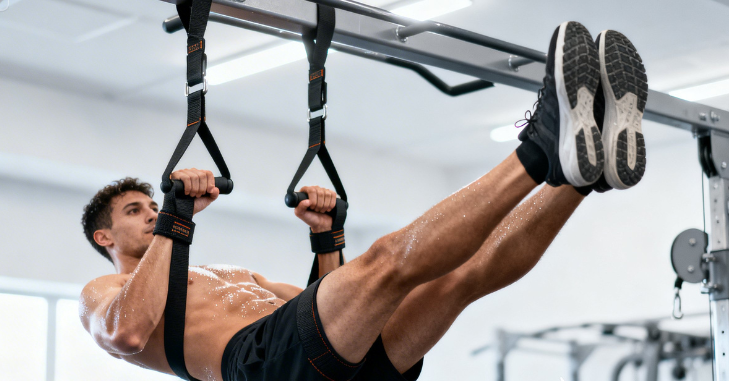
Hanging Leg raises involve suspending your body from a pull-up bar and lifting your legs toward your torso. This exercise primarily targets the rectus abdominis, hip flexors, and obliques while also engaging the forearms, shoulders, and lats for stabilization.
Key Benefits
- Strengthens the entire core
- Improves grip and forearm endurance
- Enhances hip flexor mobility
- Supports better posture and spinal stability
- Serves as a foundation for advanced abdominal exercises
Proper Form for Hanging Leg Raises
Executing hanging Leg raises with correct form is crucial to avoid strain and maximize effectiveness.
Step-by-Step Instructions:
- Grip the Bar: Hands shoulder-width apart, palms facing forward or toward you. Ensure a firm, controlled grip.
- Engage Your Core: Retract the shoulder blades, stabilize your spine, and brace the abdominal muscles.
- Lift Legs Slowly: Raise your legs in a controlled motion, keeping them straight or slightly bent depending on your mobility.
- Reach the Top Position: Aim for legs parallel to the floor or higher if possible. Avoid swinging or using momentum.
- Lower Legs with Control: Slowly return to the starting position, maintaining core tension throughout the movement.
Proper execution ensures optimal activation of the abs while protecting the lower back and shoulders.
Muscle Activation in Hanging Leg Raises
Primary Muscles
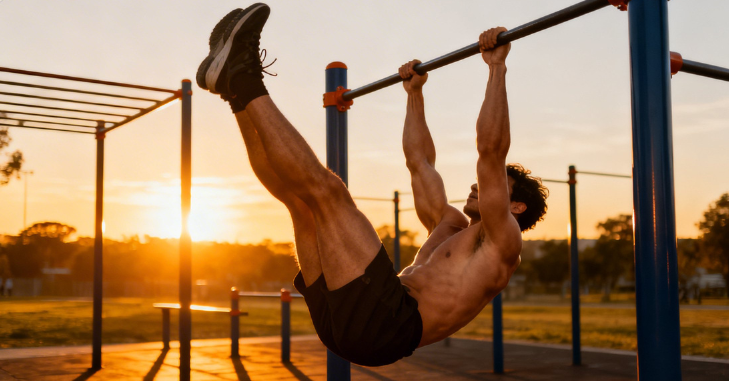
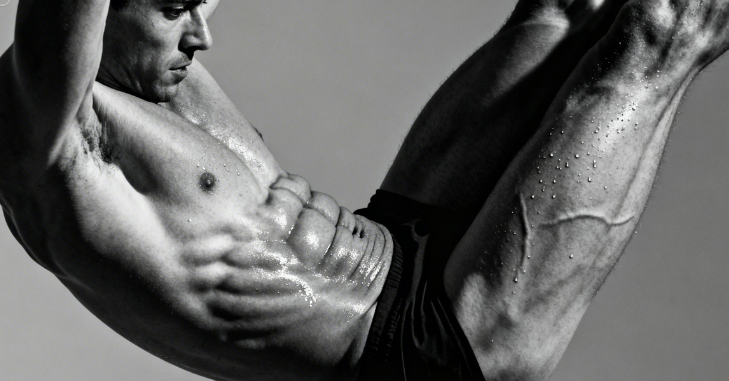
The primary muscles targeted during this exercise include the rectus abdominis, commonly known as the front abs, and the hip flexors. These muscles play a crucial role in stabilizing the core and aiding in movements that require flexion of the hip joint.
Secondary Muscles
In addition to the primary muscles, several secondary muscles engage during the exercise, enhancing its overall effectiveness. The obliques, or side abs, contribute to trunk rotation and lateral stability. The lats, which serve as back stabilizers, help maintain proper posture while executing the movement. Furthermore, the forearms and grip muscles are activated, providing the necessary strength and support during the exercise.
Activating these muscles properly allows the exercise to work as both a strength and hypertrophy movement. Focusing on slow, controlled motions ensures maximum muscle engagement, promoting better muscle growth and efficiency.
Step-by-Step Progressions
Beginners should follow a gradual progression to build strength and confidence.
Progression Levels:
- Bent-Knee Raises: Easier on the hip flexors; focus on form.
- Straight-Leg Raises: Increase abdominal tension and difficulty.
- Weighted Leg Raises: Add ankle weights for increased resistance.
- Toes-to-Bar: Advanced variation requiring full control and flexibility.
Gradually increasing difficulty reduces the risk of injury while steadily improving strength.
Advanced Variations
Once the basic hanging leg raise is mastered, variations can further challenge core strength. For example, oblique raises involve twisting the hips slightly to target the obliques specifically. Another effective variation is windshield wipers, where you swing the legs side to side while maintaining core control. L-sit holds require holding the legs parallel to the floor for a set period, which builds endurance.
Additionally, incorporating weighted holds by gripping a medicine ball between the legs or wearing ankle weights can enhance the difficulty. These variations not only diversify training but also help prevent plateauing, ensuring continuous progress in core strength development.
Common Mistakes to Avoid
Even experienced lifters often make mistakes that reduce effectiveness or cause injury.
Mistakes:
- Swinging the Body: Momentum reduces core engagement.
- Arching the Back: Strains the lower back instead of working the abs.
- Incomplete Range of Motion: Not fully lifting or lowering limits benefits.
- Overuse of Hip Flexors: Focus on a controlled abdominal contraction.
- Neglecting Grip: A weak grip can limit repetitions and stability.
Correcting these mistakes ensures consistent progress and safety.
Grip and Strength Development
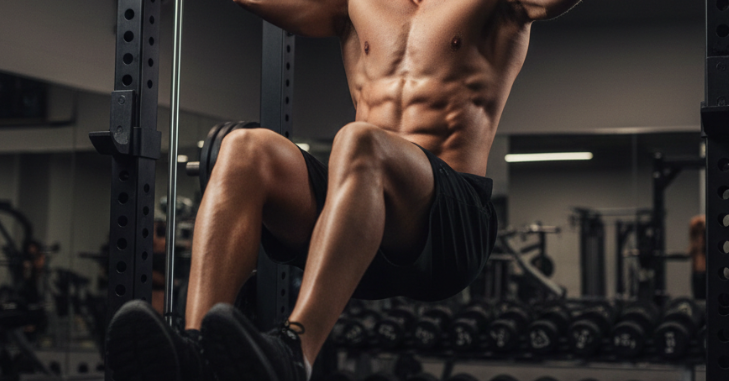
The hanging leg raise doubles as a grip-strength exercise. Maintaining a firm hold on the bar improves forearm endurance and supports other pulling movements, such as pull-ups and chin-ups. Using chalk or straps can aid grip during heavier or longer sets.
Breathing Technique During Hanging Leg Raises
Proper breathing plays an important role in maximizing the effectiveness of hanging leg raises. As you lift your legs, exhale steadily to help engage the abdominal muscles and create greater core stability. During the lowering phase, inhale in a controlled manner while maintaining tension throughout the midsection.
Many beginners unknowingly hold their breath, which can increase unnecessary strain and reduce performance. Developing a consistent breathing pattern not only improves exercise efficiency but also enhances muscular control, endurance, and overall movement quality during each repetition.
Mobility and Recovery
Hip and Shoulder Mobility:
- Perform dynamic stretches before training to reduce joint strain.
- Focus on hamstrings and hip flexors to facilitate smoother leg lifts.
Recovery Strategies:
- Stretch the lats, abs, and hip flexors post-workout.
- Include rest days between intensive sessions to allow muscle repair.
- Prioritize sleep and protein intake for optimal recovery.
Sample Weekly Hanging Leg Raise Routine
| Day | Focus | Reps / Sets | Notes |
| Monday | Bent-Knee Raises | 3 x 12-15 | Emphasize slow form |
| Wednesday | Straight-Leg Raises | 3 x 10-12 | Avoid swinging |
| Friday | Weighted or Toes-to-Bar | 3 x 6-10 | Advanced variation |
| Saturday | Core Finisher | 2 x 20 Oblique Raises | Side abs engagement |
Conclusion
Hanging leg raises are a cornerstone core exercise that effectively combines strength, stability, and muscle engagement, making them invaluable for anyone looking to enhance their physical fitness. This exercise not only targets the abdominal muscles but also engages the hip flexors and promotes proper grip strength, contributing to overall functional power.
By following proper form and progressively increasing difficulty, individuals can significantly improve their core definition while also developing forearm and grip strength. Hanging Leg raises require a focus on controlled movements and stabilization throughout the exercise. This emphasis on technique helps prevent injuries and encourages optimal muscle activation.
Common mistakes, such as swinging or using momentum, detract from the effectiveness of the workout. Therefore, it’s crucial to maintain a mindful approach during each repetition, ensuring that the core is activated effectively.
Want to know about The Benefits of Personalized Home IV Therapy for Health and Wellness Check out our Health category.
FAQs
Yes. Stronger hip flexors, rectus abdominis, and grip strength benefit sprinting, jumping, climbing, gymnastics, and other functional movements.
Advanced lifters may perform 4–5 sets of 10–15 reps, including variations such as L-sits, toes-to-bar, or windshield wipers, to increase intensity.
With consistent training 2–3 times per week, most lifters notice improved core strength and abdominal tone within 4–6 weeks, depending on diet and overall fitness.
They actively recruit the hip flexors to lift the legs, which strengthens this area but may lead to fatigue if overused. Stretching and proper warm-up help prevent tightness.