

Introduction
The food truck industry is rapidly evolving, providing culinary entrepreneurs an exciting platform to showcase their creativity. It offers an attractive opportunity with low initial investment requirements compared to traditional restaurants and the flexibility to operate in various locations.
However, succeeding in this competitive arena demands more than delicious Food; it necessitates careful planning, effective branding, excellent customer service, and a comprehensive understanding of market trends. This guide, “Success on Wheels: How to Start a Food Truck Business That Thrives,” delves into the steps and strategies required to transform a food truck idea into a flourishing, profitable venture.
| Market Research & Niche | Understand market trends, customer demographics, and competitors. Find your Unique Selling Proposition (USP) to stand out. |
| Unique Selling Proposition (USP) | To attract a loyal audience, offer specialized dishes like fusion cuisine, vegan options, or gourmet desserts. |
| Customer Preferences | Research local tastes and behaviors by attending food truck events and observing customer demands. |
| Business Plan | Draft a comprehensive plan that includes your vision, menu, finances, marketing, and operational logistics. |
| Financial Planning | Outline startup costs (truck, permits, marketing) and project daily expenses and revenue clearly. |
| Permits and Licenses | Secure essential permits such as food vendor licenses, health certifications, and parking permits. Stay compliant. |
| Choosing a Food Truck | Invest in a truck that meets space, equipment, and branding needs while balancing new vs. used options for your budget. |
| Menu Creation | Keep menus simple but unique. Focus on quality, cater to dietary restrictions, and test dishes before launching. |
| Ideal Locations | Park in high-traffic areas like downtown districts, universities, events, and food hubs to maximize sales. |
| Branding | Create a cohesive brand identity with a catchy name, attractive logo, and consistent visuals to reflect your business theme. |
| Marketing Strategies | Use social media, loyalty programs, delivery apps, and collaborations with local businesses to boost visibility. |
| Customer Service | Train your team to be efficient and friendly, minimize wait times, and resolve complaints professionally. |
| Trends and Innovation | Stay ahead with seasonal menus, adopt new technology like mobile payments, and adapt to emerging food industry trends. |
| Community Engagement | Build local ties through catering, charity support, and joint business promotions to foster goodwill and visibility. |
| Keys to Thriving | Stay adaptable, strategic, and innovative while focusing on community connections and customer satisfaction. |
Essential Steps Before Hitting the Road with Your Food Truck
Before launching a food truck business, laying a solid foundation is crucial to long-term success. This includes identifying a unique food concept that differentiates your offerings from competitors, understanding your target audience’s preferences, and conducting a basic market analysis to determine where demand is highest. Securing the appropriate licenses and permits is another essential step, as food truck operations often require health department approval, business registration, and compliance with local zoning rules. Equally important is developing a comprehensive business plan that outlines startup costs, menu pricing, marketing strategies, and potential revenue streams. By addressing these core elements early, aspiring food truck owners can reduce risks, streamline operations, and position themselves for sustainable growth once their truck hits the streets.
Research Your Market and Find Your Niche
A thriving food truck business starts with market research. The food truck industry is competitive, and understanding your local market is crucial to carving out a niche.
- Identify Your USP (Unique Selling Proposition): A niche makes your business memorable. Specialize in something unique, like gourmet sliders, fusion tacos, or artisanal desserts. A well-defined niche attracts loyal customers and makes your marketing more effective.
- Understand Local Preferences: Attend food truck festivals, observe customer behavior, and analyze local demand. For example, a city with a health-conscious audience may respond well to organic or vegan offerings.
Craft a Detailed Business Plan
A well-organized business plan forms the essential foundation of any successful enterprise. It keeps your goals clear and provides a roadmap for decision-making.
Elements of a Comprehensive Business Plan
- Vision and Mission: Define your goals. Is your goal to stay local, expand regionally, or cater for events?
- Menu Strategy: List your core dishes and explain their appeal. Your menu should balance simplicity (to keep operations efficient) and innovation (to excite customers).
- Financial Structure: Detail startup costs, daily expenses, projected revenue, and pricing strategies. Include costs for equipment, permits, branding, and truck maintenance.
- Marketing Plan: Outline how you’ll attract customers. Include promotional strategies for social media, email campaigns, and in-person events.
- Operational Framework: Specify where you’ll park, peak business hours, and staffing plans.
Obtain Necessary Permits and Licenses
The legal framework for food truck operations can vary by city and state.
Essential Permits and Licenses
- Business License: This registers your food truck as a legitimate business.
- Food Vendor License: Allows you to serve Food legally in public spaces.
- Health Department Certification: Ensures your food truck meets sanitation and safety standards.
- Mobile Food Facility License: Specific to mobile food vehicles, this license may include inspections to verify compliance.
Choose and Equip the Right Food Truck
The food truck itself is your business’s heartbeat. Choosing the right vehicle can streamline operations and minimize future maintenance issues.
Truck Selection Tips
- Size and Layout: The truck should fit all your cooking equipment while leaving enough room for staff to work efficiently, even during busy hours.
- New vs. Used Trucks: While new trucks offer customization, used trucks are more affordable but may require repairs. Evaluate your budget before deciding.
- Exterior Branding: The truck’s design is part of your marketing. A creative logo, vibrant colors, and professional visuals attract attention and leave a lasting impression.
- Mobility and Maintenance: Consider fuel efficiency and the condition of the truck’s engine to reduce long-term costs.
Design a Simple Yet Exciting Menu
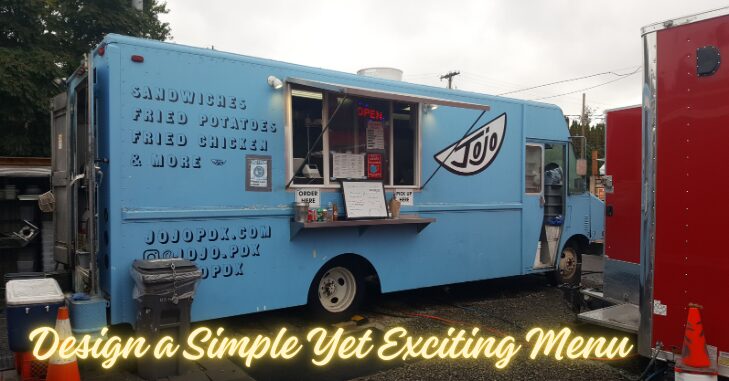
Your menu is the face of your food truck. A small, focused menu streamlines kitchen efficiency, while creative dishes encourage customer loyalty.
Menu Development Tips
- Limit Options: Focus on fewer dishes to ensure quality and speed. Signature items should be the star of your menu.
- Experiment with Flavors: Offer bold and unique combinations—for example, a classic burger with a spicy kimchi twist or tacos with unexpected fusion flavors.
- Accommodate Diverse Diets: Include options for vegetarians, vegans, or those with dietary restrictions.
- Test Recipes: Host tastings for friends or focus groups to refine dishes based on feedback.
Managing Food Costs and Inventory for Long-Term Profitability
One of the most important factors in running a successful food truck business is controlling food costs and managing inventory efficiently. Because storage space inside a food truck is limited, owners should purchase ingredients based on expected daily demand to reduce waste and maintain freshness.
Keeping accurate records of inventory, monitoring portion sizes, and sourcing ingredients from reliable local suppliers can significantly improve profit margins. Reviewing sales data regularly also helps identify best-selling menu items and slow-moving products, allowing operators to adjust purchasing decisions and menu offerings.
Find High-Traffic Locations
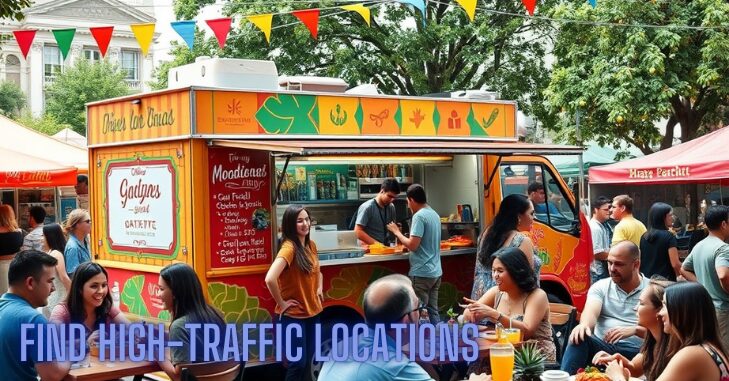
The right locations can generate consistent customer flow and maximize your sales potential.
Strategic Location Ideas
- Business Districts: Office areas are ideal for lunch, especially if your menu offers quick, satisfying meals.
- Parks and Beaches are excellent for weekends, especially in warmer seasons.
- Festivals and Farmers’ Markets: Attending events exposes your business to larger audiences.
- Food Truck Pods: Some cities have dedicated food truck hubs that attract loyal followers.
- Near Universities: Students appreciate affordable, accessible meals.
Build a Strong Brand and Execute Effective Marketing
A memorable brand combined with strategic marketing can set you apart from competitors. Your food truck’s identity extends far beyond its exterior design.
Build a Unique Brand
- Name and Logo: Choose a name and logo that resonates with your theme and food concept.
- Consistent Aesthetic: Maintain a consistent look and tone from truck décor to social media visuals.
- Personal Connection: Tell customers your story—what inspired your food truck? This builds authenticity.
Marketing Strategies That Work
- Social media: Regularly post your locations, menu updates, and customer reviews. Instagram and TikTok are ideal for visually showcasing your dishes.
- Local Ads: Advertise in community newsletters or online groups to build awareness.
- Promotions and Loyalty Discounts: Encourage repeat visits by offering deals, loyalty cards, or referral discounts.
- Collaborations: Partner with local breweries or businesses to attract shared audiences.
Deliver Exceptional Customer Service
Top-notch service creates lasting impressions and encourages customers to return. A friendly interaction can make your Food and brand unforgettable.
Tips for Excellent Service
- Staff Training: Train employees to be polite, efficient, and informed about menu items.
- Minimize Wait Times: Streamline food preparation to prevent long lines.
- Engage Customers: A smile, personalized recommendations, or a small thank-you gesture can go a long way.
- Handle Complaints Gracefully: Resolve issues professionally to preserve trust.
Stay Relevant by Adapting to Trends
Remaining adaptable is crucial for sustained success. The fast-evolving food truck industry and keeping up with trends ensures you stay ahead of the competition.
Ways to Innovate
- Seasonal Menus: Feature limited-time items based on seasonality or trending cuisines.
- Customer Feedback: Regularly collect reviews to refine menu items or operational practices.
- Technology Integration: Use mobile payment systems and apps for orders and delivery.
- Monitor Competitors: Stay informed about what others offer and identify gaps you can fill.
Cultivate Community Connections
To thrive long-term, your food truck must become a valued part of the community. Positive relationships can create loyal advocates for your brand.
Ways to Build Community Engagement
- Catering Services: Offer your food truck for private events, boosting revenue and visibility.
- Charity Support: Host fundraisers or donate some proceeds to local causes.
- Collaborate with nearby businesses to create joint deals and cross-promote your offerings for mutual growth.
Conclusion
Starting a food truck business offers a flexible and cost-effective way to showcase your culinary creativity. Success in this booming industry requires market research to identify trends and carve out a unique niche, such as gourmet or vegan options. A detailed business plan covering financials, menu design, and operational strategies ensures a solid foundation.
Secure all necessary permits, choose a reliable truck, and develop a standout menu with limited, high-quality items. Strategic location selection, strong branding, exceptional customer service, and adapting to trends are key to thriving.
Are you curious to read an amazing article on “Operational Effectiveness vs Strategy“?, visit our “Business” category.
Frequently Asked Questions (FAQs)
The most profitable food truck businesses often include gourmet burgers, tacos, and vegan foods. These items balance cost, labor, and customer demand. Catering to current food trends can boost profitability. 3, 1986).
Food trucks thrive in urban areas with high foot traffic, like downtown business districts and college campuses. Events and popular tourist spots also offer great opportunities.
French fries are indeed a popular choice among food trucks! Their universal appeal and ease of preparation make them a favorite for many vendors.
Food truck owners often rely on permits, scheduled events, private bookings, and high-traffic areas to find profitable locations.
Food trucks typically require business licenses, health permits, and local approvals to operate legally.

