Introduction
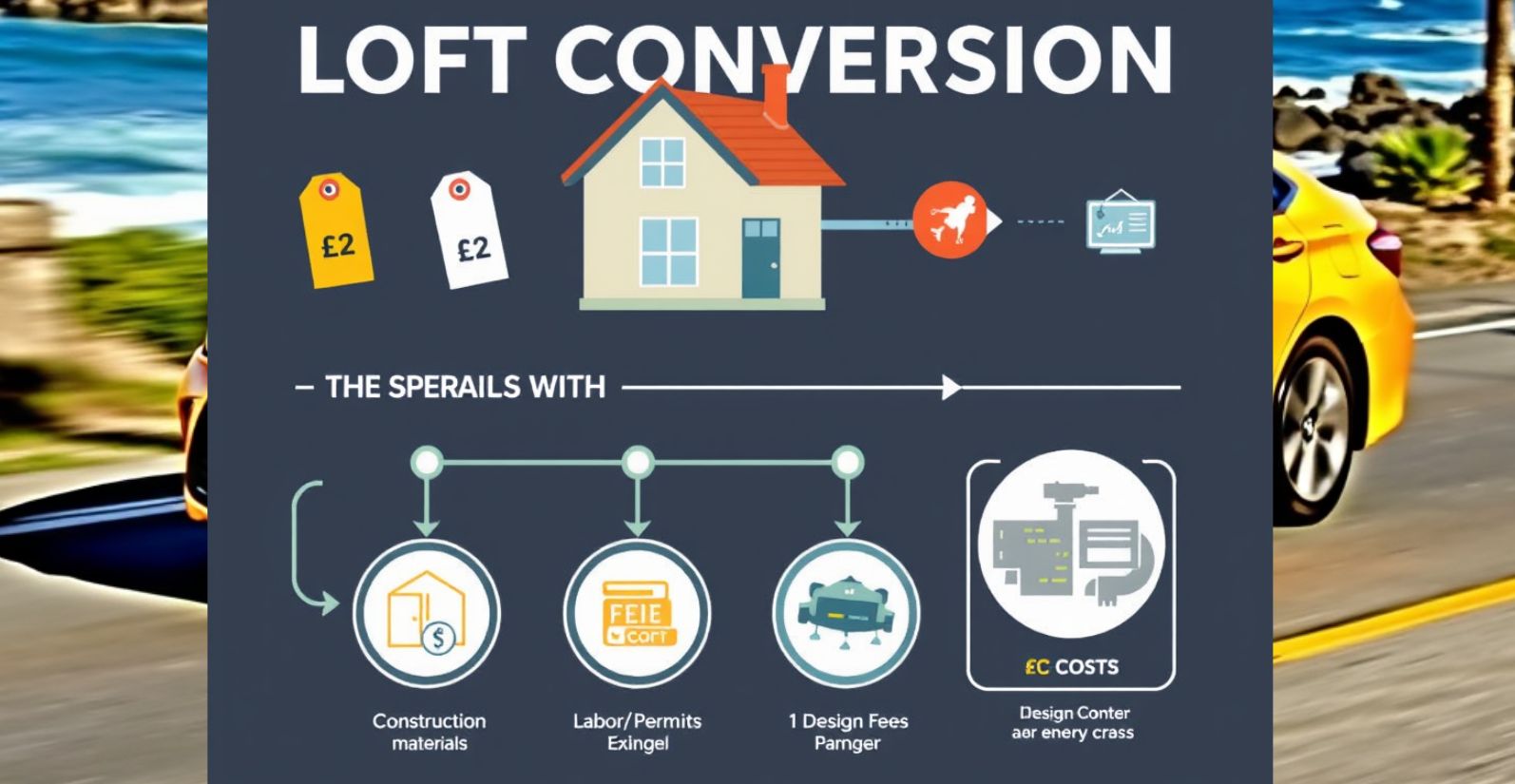
Loft conversion costs can vary greatly depending on the type of conversion and your location. A basic roof light conversion typically costs between £15,000 and £25,000, while more complex options, like dormer or mansard conversions, can exceed £40,000. Understanding the factors affecting loft conversion cost, including design, permits, and labor fees, is essential to plan your budget effectively.
| Basics | Details |
| Types of Conversions | Roof Light: £15K–£25K; Dormer: £30K–£40K; Mansard: £40K+ |
| Cost Influencers | Loft size, type, materials, location, and labor costs |
| Average Cost | Roof Light: £15K; Dormer: £30K–£40K; Mansard: £45K+ |
| Additional Costs | Design: £1.5K–£3K; Permits, electrical, plumbing |
| Planning Permission | Needed for large conversions, follow regulations. |
| Regional Costs | Higher in cities (e.g., London) due to labor/materials |
| Cost-Saving Tips | Simplify design, compare quotes and DIY tasks. |
| Financing Options | Personal loans, home equity, remortgaging, energy grants |
| ROI | Increases value by 25% in high-demand areas |
| Contractor Selection | Get multiple quotes, and choose experienced contractors. |
Key Cost Factors in Loft Conversions
When planning a loft conversion, understanding the key cost drivers is essential for budgeting and decision-making. The overall expense of transforming an attic into usable living space doesn’t just depend on square footage — it is also influenced by factors like structural modifications, roof alterations, insulation requirements, and the complexity of access solutions such as staircases. Properties that require reinforcement of floor joists or adjustments to roof height typically incur higher costs, as do designs that include en-suite bathrooms or dormer windows, which add plumbing and additional construction work. Labor costs, material quality, and compliance with building regulations further contribute to the total investment, making early discussions with builders and architects crucial to align expectations with practical requirements. By breaking down these components, homeowners can make more informed choices about which elements are necessary and where value can be optimized without compromising safety or comfort.
Types of Loft Conversions and Costs
The loft conversion cost is significantly influenced by the type of conversion you choose. Roof light conversions, which are the simplest and least expensive, range from £15,000 to £25,000. Dormer conversions cost between £30,000 and £40,000, while hip-to-gable and mansard conversions can cost upwards of £40,000. Understanding each type helps you make an informed choice.
Factors Influencing
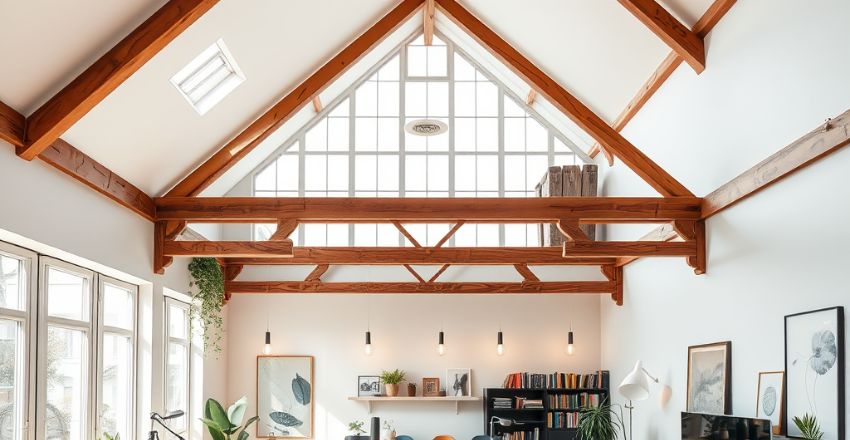
Several factors influence the conversion cost. The size of the loft, type of conversion, materials used, and location all contribute. For example, labor costs are higher in cities like London. Structural changes or adding windows will increase costs. Always discuss your requirements with contractors for a more accurate quote based on your needs.

Average Cost Breakdown
On average, conversion costs can range from £15,000 to £50,000, depending on the type. A basic roof light conversion starts at £15,000, while dormer conversions may cost between £30,000 and £40,000. More complex conversions, like hip-to-gable or mansard, can cost upwards of £45,000. Be sure to factor in additional costs such as materials, permits, and contractor fees.
Additional Costs to Consider
In addition to the loft conversion cost, consider other expenses, such as design fees ranging from £1,500 to £3,000. Building regulations, electrical work, and plumbing will also add to the price. Budgeting for all these extra elements is important so you don’t face unexpected costs as your project progresses.
Planning Permission and Regulations
Before starting, it’s essential to understand the planning permissions and regulations related to loft conversion costs. You may need planning permission in some areas, especially for more extensive conversions. Even if planning permission isn’t required, your loft must comply with building regulations, including fire safety, insulation, and structural integrity, which can increase costs if not factored in early.
Different Regions
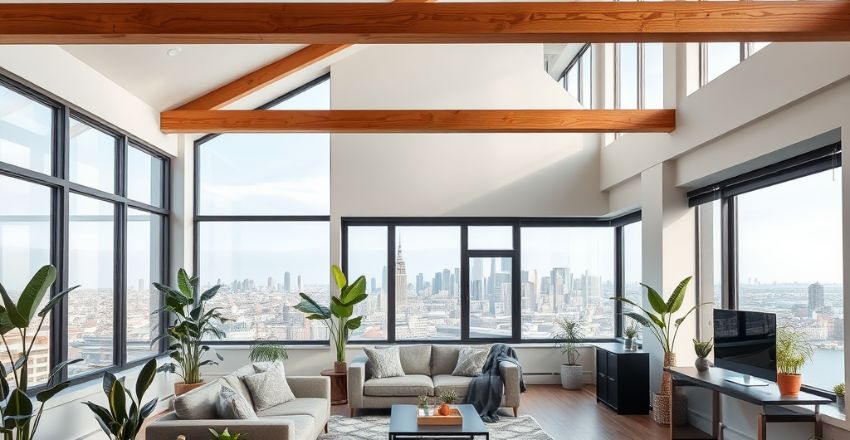
The loft conversion cost can differ greatly by region. In larger cities like London, where labor and materials are more expensive, a conversion cost will be higher than in smaller towns or rural areas. The geographical location plays a significant role in determining labor and material costs, so remember this during the planning phase.
How to Save on Loft Conversion Costs?
There are a few ways to reduce your loft conversion cost. One way is to opt for a simpler design, such as a roof light conversion. You can also get multiple quotes from contractors to compare prices. If you’re willing to do some of the work yourself, like painting or fitting fixtures, this can save on labor costs.
Financing
Several financing options are available if you can’t afford the full loft conversion cost upfront. Personal loans or home equity loans are popular ways to cover the costs. Some homeowners choose to remortgage their property, and depending on the nature of your project, you might also qualify for government grants for energy-efficient conversions, helping lower overall costs.
Return on Investment
While the loft conversion cost may seem significant initially, the return on investment (ROI) can make it worthwhile. A loft conversion can increase your home’s value by up to 25%. The extra space makes your property more desirable, especially in areas where homes are in high demand. Thus, the conversion can pay off when it’s time to sell.
Choosing a Contractor
When planning your loft conversion, selecting the right contractor is crucial to keeping your loft conversion cost in check. Research reputable contractors and request multiple quotes. Choose one with good references and experience with loft conversions. The right contractor can help streamline the process, avoid mistakes, and ensure the final result meets your expectations within your budget.
Conclusion
In conclusion, understanding loft conversion costs is essential for budgeting your project effectively. Costs vary based on the type of conversion, location, and additional expenses like permits and labor. By carefully planning, obtaining multiple quotes, and considering ways to reduce costs, you can ensure that your loft conversion stays within budget. A successful conversion can add value and space to your home, making it a wise investment for the future.
Apart from that if you want to know about “White Paint for Interior Walls: Expert Guide to Choosing the Best Option, Shades, Durability, and Much More” then please visit our “Home Improvement” Category.
FAQs
Loft conversion costs are higher in larger cities, especially London, due to elevated labor and material costs compared to smaller towns.
Personal loans, home equity loans, remortgaging, or even government grants for energy-efficient conversions are available to help with financing.
A loft conversion can increase your home’s value by up to 25%, making it a valuable investment, especially in high-demand areas.
Research contractors, get multiple quotes, and choose one with good references and experience to ensure a successful project within your budget.
In many cases, a loft conversion is more cost-effective than a ground-level extension because it uses existing space and foundations.