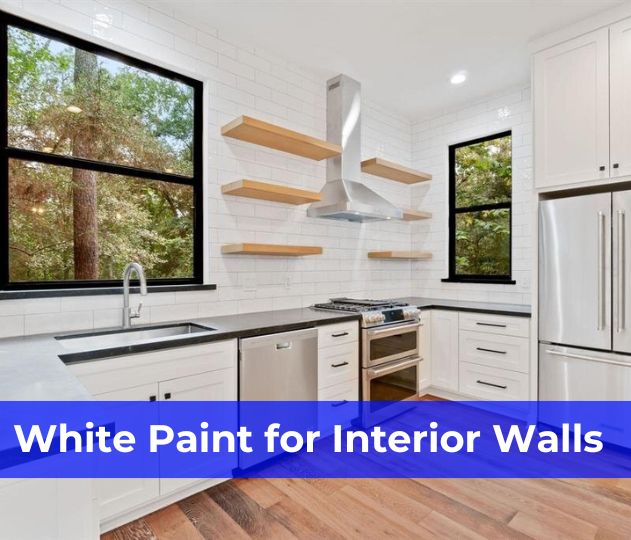
Introduction
The best white paint for interior walls can completely transform the look and feel of your home. From popular shades like warm ivories to cool crisp whites, choosing the right color is essential for setting the mood of a room.
In this article, we’ll explore various types of white paints, their durability, cost considerations, finishes, and innovative features. Learn how to select the best white paint for interior walls to enhance your space’s ambiance.
The best white paint for interior walls
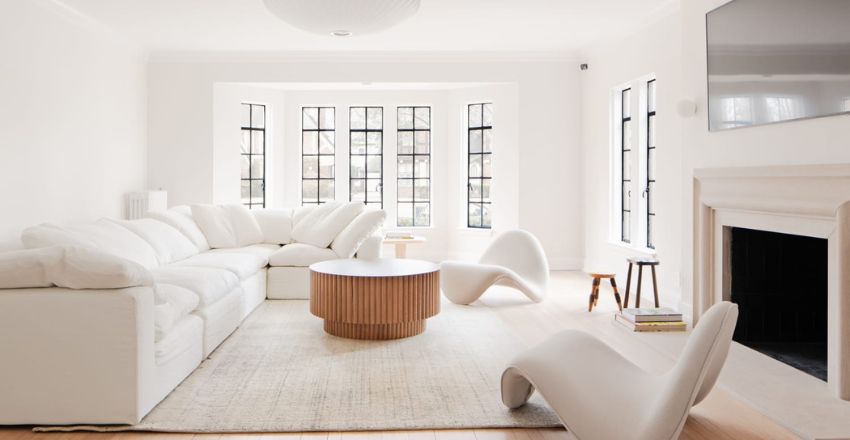
The best white paint for interior walls can dramatically transform your home’s ambiance. Whether you choose a warm, creamy white or a cool, crisp shade, white paint provides versatility and brightness. It enhances natural light, making rooms feel more spacious.
Selecting the best white paint for interior walls ensures a fresh, timeless look that complements various design styles and color schemes.
Choosing the Right White Paint for Your Interior Walls
White paint may seem simple, but selecting the right shade for interior walls can significantly impact the overall look and feel of a space. Not all whites are the same: they range from warm tones with subtle yellow or beige undertones to cool whites with hints of blue or gray, and each interacts differently with natural and artificial light. Warmer whites create a cozy, inviting atmosphere that pairs beautifully with wood finishes and traditional décor, while cooler whites can make modern spaces feel crisp and clean. Light conditions in the room also affect how a white paint reads — north-facing rooms may benefit from whites with warmer undertones to counteract bluish light, whereas south-facing spaces can handle cooler whites without appearing stark. Understanding these nuances helps you choose a white paint that enhances architectural details, complements your furniture, and creates the mood you want in every room of your home.
Why Testing White Paint Samples Matters
Before committing to the best white paint for interior walls, it’s important to test a few samples directly on your walls. White paint can appear dramatically different depending on the room’s lighting, wall texture, and surrounding décor. A shade that looks bright and clean in the store may feel too yellow, gray, or stark once applied at home.
Paint small sections in different areas of the room and observe them throughout the day under both natural and artificial light. This simple step can help you avoid costly mistakes and ensure the final color creates the exact atmosphere you want for your space.
Popular Shades
Choosing the right shade of white paint is essential for setting the mood of a room. Warm whites, like ivory or cream, provide a cozy atmosphere, while cool whites, like pure white or snow, offer a crisp, modern aesthetic. Off-whites, such as eggshell or antique white, balance warmth and brightness, making them perfect for various design styles and preferences.
Durability
When selecting the best white paint for interior walls, durability matters. Opt for paints with high-quality finishes, such as satin, eggshell, or semi-gloss, for areas that see high traffic. These finishes resist stains scratches, and are easy to clean. Premium paints provide better coverage and last longer.
Cost Considerations When Choosing White Paint
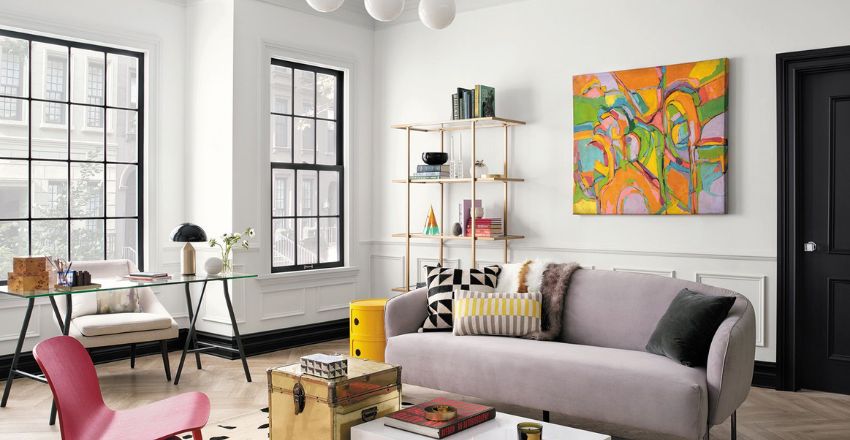
The cost of the best white paint for interior walls varies based on quality, brand, and finish. Budget-friendly options can work well for small projects, but for long-lasting results, it’s worth investing in mid to high-end paints. While higher-priced paints often provide better coverage and durability.
Choosing the Right Finish for White Paint
The finish of your white paint plays a crucial role in both appearance and functionality. Flat finishes are ideal for low-traffic areas, offering a smooth, non-reflective look. Satin or eggshell finishes add a slight sheen, making them perfect for living rooms and bedrooms.
For high-moisture areas, like kitchens or bathrooms, choose semi-gloss or high-gloss finishes for added durability and easy maintenance.
Innovative Features
Today’s best white paint for interior walls comes with innovative features that enhance both functionality and aesthetics. Some paints offer self-cleaning technology, which helps prevent stains from sticking to walls. Others include light-reflecting properties that brighten a room, making it appear larger and airier.
With eco-friendly options available, modern white paints provide enhanced performance without compromising on design or sustainability.
The Attraction of White Walls in Home Design
White walls are timeless and versatile, acting as a blank canvas that complements any interior style. Whether you prefer minimalist, contemporary, or traditional designs, the best white paint for interior walls allows other decor elements to stand out. White walls reflect natural light.
Eco-Friendly White Paint
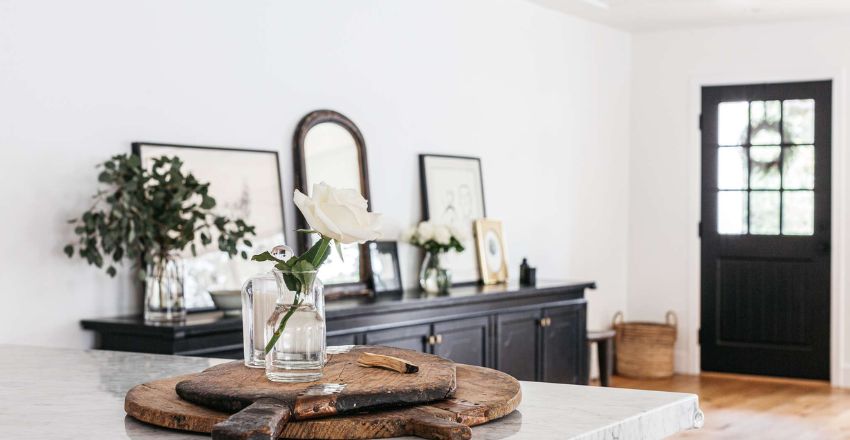
With growing concerns about sustainability, eco-friendly white paint options are gaining popularity. The best white paint can now be low-VOC or zero-VOC, minimizing harmful emissions that can affect indoor air quality. These paints are safer for both the environment and your health.
Choosing eco-friendly options ensures you make a responsible choice without compromising on the aesthetic or durability of your walls.
How to Apply White Paint for Smooth Coverage
Proper application is key to achieving the perfect finish with the best white paint for interior walls. Start by preparing the surface, cleaning and priming as needed.
Use high-quality brushes and rollers for even application. Apply two coats for full coverage, allowing each coat to dry completely. Touch up any spots as needed to ensure a flawless, smooth finish on your white walls.
Maintaining White Walls
White walls require some maintenance to keep them looking fresh. The best white paint for interior walls typically comes with washable finishes, allowing for easy removal of dirt, fingerprints, and stains. Regularly wipe down walls with a damp cloth to prevent build-up.
For high-traffic areas, consider doing occasional touch-ups to maintain the bright, clean look of your white walls over time.
Benefits
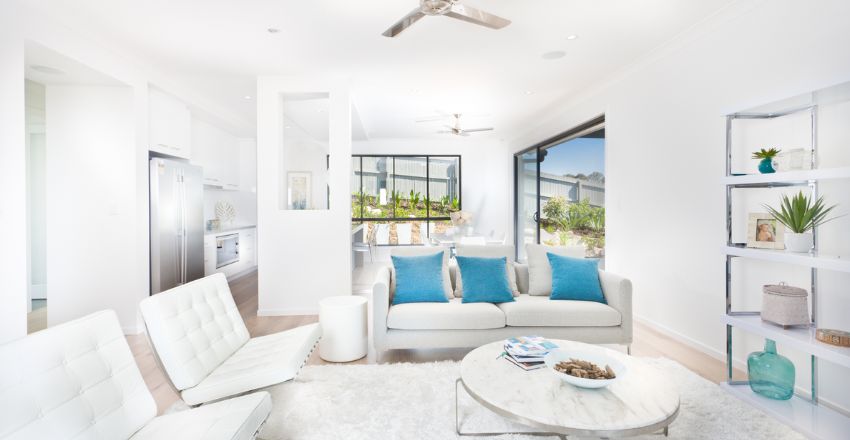
- Using the best white paint is especially beneficial in small spaces.
- White reflects light, which can make a room feel more open and airy.
- By brightening up a smaller room, white paint helps create the illusion of more space, making it feel less cramped.
- It’s a simple yet effective design trick for enhancing the feel of any small room or apartment.
Conclusion
In conclusion, selecting the best white paint for interior walls is key to achieving a timeless and inviting atmosphere in your home. From choosing the right shade and finish to considering durability and eco-friendly options, white paint offers endless possibilities for enhancing your living space.
With proper application and maintenance, your white walls will continue to shine, creating a bright, fresh environment that complements any home design.
If you want to read an interesting article about it, explore our “Home Improvement” category.
FAQs
The best white paint offers versatility, enhancing natural light and creating a fresh, timeless look that complements various design styles.
Popular shades include warm whites like ivory or cream for coziness, cool whites like pure white for a modern look, and off-whites like eggshell for balanced warmth and brightness.
Durability is crucial; high-quality finishes like satin or eggshell offer stain resistance and scratch protection and are easy to clean, making them ideal for high-traffic areas.
The best white paint depends on the room’s lighting, décor, and desired mood, as different white shades have warm or cool undertones.
Consider natural light, room orientation, existing furniture, and whether you prefer a warm or cool appearance before choosing a white shade.