Introduction
The Polaroid instant camera, an enduring symbol of spontaneity and nostalgia, revolutionized photography by allowing users to capture and print photos in real time. Long before the era of digital selfies and smartphone filters, Polaroid cameras introduced the world to the magic of instant gratification through photography.
In an age where convenience and immediacy drive technological evolution, the Polaroid instant camera continues to thrive, not just as a relic of the past but as a modern creative tool. From vintage collectors to social media influencers, Polaroid’s charm remains universal.
Polaroid’s resurgence in recent years speaks to a cultural longing for physical, shareable memories in a world dominated by screens, making the instant camera a beloved fusion of retro charm and modern creativity.
| Category | Details |
| Introduction | Polaroid cameras offer real-time photo printing with nostalgic and creative appeal. |
| Working Mechanism | Light exposure → Film roller spread → Chemical reaction → Image develops in 10–15 minutes. |
| Vintage Models | SX-70, 600 Series, Spectra—popular for design and retro quality. |
| Modern Models | Polaroid Now, Now+, and Go blend analog charm with digital features. |
| Film Types | i-Type (modern, no battery), 600 (classic, with battery), SX-70 (low ISO), and Go (compact). |
| Why It Still Matters | Tangible memories, artistic expression, nostalgia, ideal for gifts and decor. |
| Pros | Instant prints, easy to use, fun experience, great for crafts. |
| Cons | Costly film, limited editing, and prints fade if not stored well. |
| Tips | Use stable lighting, store film properly, develop photos in shade, and shoot steadily. |
| Polaroid vs. Others | Larger prints and vintage style vs. Instax’s affordability and Kodak’s digital ZINK tech. |
Polaroid Instant Camera
The Polaroid instant camera is an iconic piece of photographic innovation that allows users to capture and print photos within minutes, offering a tangible, nostalgic experience in an increasingly digital world. First introduced in the mid-20th century, Polaroid cameras revolutionized photography by eliminating the need for film development labs; users could snap a picture and watch it develop right before their eyes.
Modern Polaroid instant cameras maintain this magical quality while integrating updated technology for ease and performance. These cameras typically use self-developing film packs and are available in various models, ranging from classic analog designs to hybrid digital-analog versions.
With a simple point-and-shoot mechanism, built-in flash, and sometimes creative features like double exposure or manual settings, Polaroid instant cameras are user-friendly and appeal to both amateurs and enthusiasts. They are especially popular for capturing candid moments, travel memories, and social events, thanks to their unique square prints bordered by the iconic white frame.
How Does a Polaroid Instant Camera Work?
Polaroid instant cameras are unique in that they develop images internally without the need for external film processing. Here’s a simplified breakdown of how it works:
- Capture: When the shutter is pressed, light enters the camera and exposes the film.
- Development: The film is then pushed through rollers inside the camera, spreading chemicals between layers of the film to start the development process.
- Reveal: Within 10 to 15 minutes, the image gradually appears on the film, fully developing in ambient conditions.
Modern Polaroids use integrated film packs that contain sheets of light-sensitive film and processing chemicals. Innovations over the years have made development faster, cleaner, and more color-accurate.
Types of Polaroid Instant Cameras
Vintage Polaroid Cameras
These are the original models produced between the 1950s and the 1990s. Popular examples include
- Polaroid SX-70: A foldable SLR model known for its elegant design.
- Polaroid 600 Series: Affordable and easy to use, ideal for casual users.
- Polaroid Spectra: Known for a wider film format and higher-quality optics.
Collectors and analog photography lovers often seek these models for their retro charm and tactile photo quality.
Modern Polaroid Cameras (Post-2017 Revival)
After a hiatus, Polaroid returned with updated technology and design. Notable current models include
- Polaroid Now: A user-friendly camera with autofocus, built-in flash, and USB charging.
- Polaroid Now+: Offers additional manual controls via a companion app, plus creative features like double exposure and light painting.
- Polaroid Go: The smallest Polaroid camera, designed for portability and minimalism.
These newer models combine classic instant photography with modern convenience and connectivity.
Film Formats Used in Polaroid Cameras
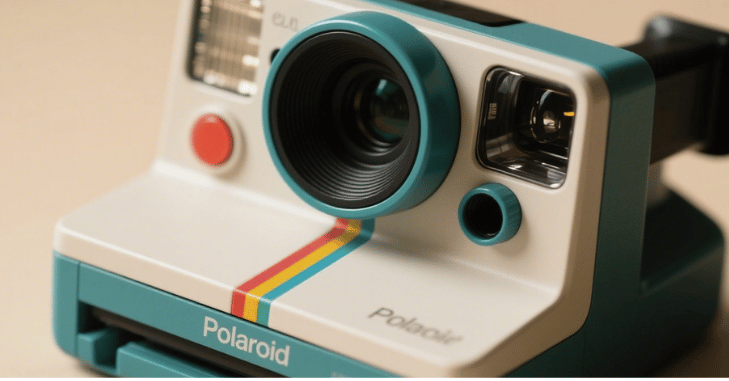
Polaroid produces several distinct film formats, each tailored to specific camera models and user needs. The i-Type Film is designed for modern Polaroid cameras and is battery-free, which makes the cameras lighter and more environmentally friendly.
The 600 Film is compatible with both vintage and newer 600-type cameras and includes a built-in battery pack, which powers the camera’s functions. For vintage SX-70 models, Polaroid offers the SX-70 Film, which has a lower ISO and therefore requires lighter or the use of a flash for optimal results.
The Polaroid Go Film is a compact, square-format film created specifically for the ultra-portable Polaroid Go camera. Regardless of the type, all Polaroid films feature the iconic white border that enhances their nostalgic appeal and makes them instantly recognizable.
Why Polaroid Still Matters Today?
1. Tangible Memories in a Digital World
In an era dominated by digital screens and cloud storage, Polaroid brings back the joy of physical keepsakes. Each instant print is a one-of-a-kind memory, irreplaceable and often treasured more than digital photos. More from us: A Practical Digital Growth Plan for Small Businesses.
2. Creative Expression
Artists, photographers, and social media creators use Polaroid for its aesthetic appeal and unique imperfections. The unpredictable nature of instant film fosters creativity and experimentation.
3. Nostalgia and Sentiment
Polaroid photos evoke memories of family gatherings, parties, and vacations. For many, the act of shaking a Polaroid photo and waiting for it to develop is deeply nostalgic.
4. Gifting and DIY Projects
Polaroid photos make excellent gifts and can be used in scrapbooking, mood boards, room decor, and event guest books.
Best Uses for a Polaroid Instant Camera
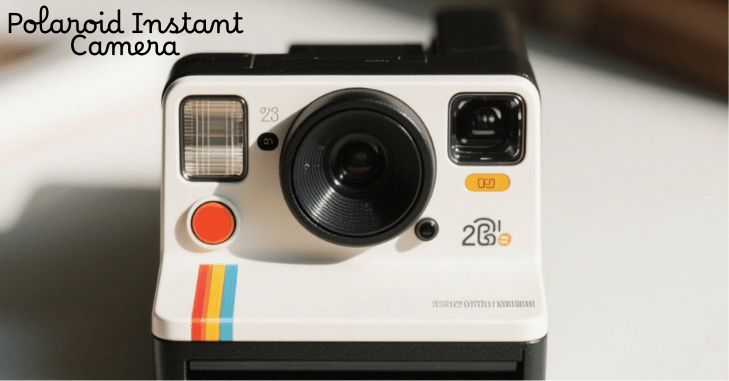
A Polaroid instant camera is ideal for capturing moments that deserve an immediate, lasting keepsake. It is widely used at weddings, birthday parties, travel adventures, family gatherings, and creative photo shoots, where guests can instantly hold a printed memory instead of waiting for digital copies.
Many photographers and hobbyists also use Polaroid cameras for journals, scrapbooks, vision boards, and home décor because the classic white-bordered prints add a personal and artistic touch. Whether documenting everyday life or celebrating special occasions, the Polaroid instant camera transforms ordinary moments into unique physical memories that can be shared, displayed, and treasured for years.
Pros and Cons of Polaroid Instant Cameras
| Pros | Cons |
| Instant physical prints | Film can be expensive |
| Simple and user-friendly | Limited editing options |
| Fun and nostalgic experience | Larger size compared to digital alternatives |
| Great for creative projects | Prints may fade over time if not stored well |
| No need for apps or editing software | Not ideal for professional photography |
Tips for Getting the Best Results with a Polaroid Camera
- Store film properly: Keep film in a cool, dry place, preferably refrigerated (but not frozen).
- Avoid bright light during development: Let photos develop face down to avoid overexposure.
- Mind the temperature: Polaroid film performs best at room temperature (around 70°F/21°C).
- Hold the camera steady: shaky hands can result in blurry photos due to slower shutter speeds.
- Experiment with lighting: Use natural light or add a flash for clearer and more vibrant images.
Polaroid vs. Other Instant Cameras
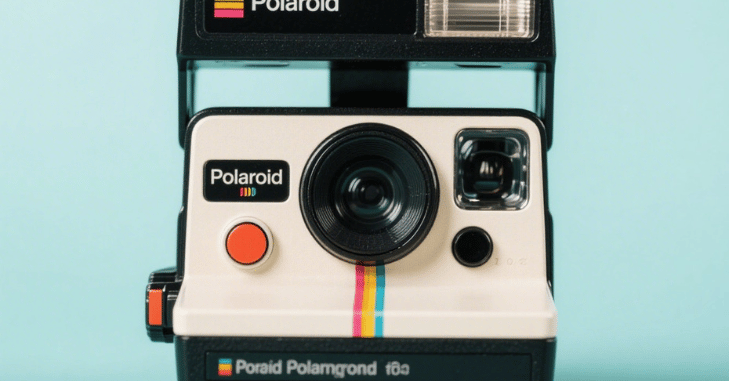
While Polaroid is the original instant camera brand, others like Fujifilm Instax, Kodak, and Canon have entered the market. Here’s how Polaroid compares:
- Polaroid: Larger photo size, vintage design, iconic white borders, and artistic appeal.
- Instax: Sharper prints, more affordable film, and compact camera bodies.
- Kodak Smile/Printomatic: Uses ZINK (zero ink) technology for digital instant prints.
Polaroid remains the top choice for those who value a mix of retro aesthetics, tangible memories, and creative storytelling.
Conclusion
The Polaroid instant camera is more than a photography device; it’s a cultural artifact that has stood the test of time. Blending old-school charm with modern innovation, it continues to captivate users with its unique ability to freeze moments and transform them into cherished physical prints.
Whether you’re an artist, a collector, a nostalgic soul, or someone simply looking to unplug from the digital world, the Polaroid instant camera offers a refreshing return to analog joy. In a fast-moving age, the Polaroid teaches us to pause, print, and appreciate the magic of the moment.
Apart from that, if you are interested to know about “Waterproof Camera: A Professional Guide to Key Features, Performance, and Selection Criteria” then visit our “Tech” category.
FAQs
They instantly print photos with a nostalgic white border, offering a fun, tactile experience.
Typically, it takes 10–15 minutes for a photo to fully develop.
No. Modern models like Polaroid Now and Go blend analog charm with digital features, appealing to all ages.
No. Use the correct film type, I-Type, 600, SX-70, or Go, based on your specific camera model.
Not quite. If stored properly, they last for years, but prints may fade if exposed to light or heat.