Introduction
Driving at night presents several challenges, including glare from oncoming headlights, low visibility, and eye strain. These difficulties can make nighttime driving stressful and even dangerous, particularly for those who are more sensitive to bright lights or have difficulty seeing in low-light conditions. Headlight glasses are designed to address these challenges, helping drivers navigate dark roads with greater clarity and ease.
These specialized glasses reduce glare, enhance contrast, and improve overall night-driving safety, making them a valuable tool for frequent nighttime drivers. In this comprehensive guide, we’ll explore everything you need to know about headlight glasses, including their purpose, how they function, key benefits, essential features to consider, top product recommendations, and expert tips to ensure you get the most out of them for a safer and more comfortable driving experience.
| Feature | Description |
|---|
| Purpose | Reduces glare from oncoming headlights while driving at night. |
| Lens Type | Anti-reflective (AR) coated lenses or yellow-tinted lenses. |
| Main Benefit | Improves visibility and reduces eye strain during nighttime driving. |
| Effectiveness | Varies; helps some drivers significantly, while others may see minimal improvement. |
| Who Should Use | Nighttime drivers, people with light sensitivity, and older drivers. |
| Prescription Options | Available in custom prescription lenses with an anti-glare coating. |
| Daytime Use | Not recommended, but some yellow-tinted lenses can help in foggy or low-light conditions. |
| Comparison to Polarized Lenses | Polarized lenses are better for reducing glare from reflective surfaces but are not ideal for night driving. |
| Availability | Found online, in optical stores, and in automotive sections of retail stores. |
| Price Range | Varies from $10 to $100+ depending on brand and lens quality. |
| Best Brands | Look for reputable brands offering high-quality AR coatings. |
| Alternative Solutions | Anti-glare coatings on regular prescription glasses or adjusting car headlights for optimal brightness. |
Why Headlight Glasses Improve Night Driving Safety
Headlight glasses are designed to enhance visibility and reduce glare when driving at night or in low-light conditions, addressing common issues like blurry vision from oncoming headlights and muted contrast on poorly lit roads. These glasses typically use specialized lens coatings and tinting to filter out disruptive light wavelengths, helping the eyes focus better and react faster to hazards. For many drivers, especially those who frequently travel after dark, headlight glasses can offer a clearer, more comfortable visual experience by minimizing eye strain and enhancing contrast between light and dark areas. Their lightweight design and universal fit make them easy to wear with regular prescription glasses or on their own, adding a practical layer of safety without disrupting your normal driving routine.
What Are Headlight Glasses?
Headlight or night driving glasses are specially crafted eyewear that enhances vision in low-light settings. They typically feature yellow-tinted or polarized lenses to reduce the harsh glare from headlights, streetlights, and other artificial light sources. These glasses are handy for individuals who experience night blindness or excessive sensitivity to bright lights while driving in the dark.
How Do Headlight Glasses Work?

The primary function of headlight glasses is to improve contrast and minimize glare, ensuring clearer vision at night. Here’s how they achieve this:
- Yellow-Tinted Lenses: The yellow tint helps filter out blue light, a significant cause of glare and visual discomfort. By doing so, objects appear sharper and more defined in dim lighting.
- Anti-Reflective Coating: Many headlight glasses feature an anti-reflective coating that minimizes reflections, reducing distractions and enhancing clarity.
- Polarized Lenses: Some models incorporate polarized lenses that diminish glare from headlights, wet roads, and reflective surfaces, helping to ease eye strain.
- Light Transmission Optimization: High-quality lenses optimize the balance of light entering the eyes, ensuring visibility without excessive brightness.
- Enhanced Peripheral Vision: Some headlight glasses are designed to widen the field of view, allowing drivers to detect movement and potential hazards from the sides more effectively.
Benefits of Headlight Glasses
Using headlight glasses can significantly enhance night driving safety and comfort. Bright headlights from other vehicles can momentarily blind drivers, making it difficult to see the road ahead. Headlight glasses help filter out excess brightness, leading to clearer vision and safer driving.
By reducing blue light exposure and improving contrast, these glasses make road signs, pedestrians, and objects more visible in dim lighting conditions. Driving at night often causes eye fatigue due to constant exposure to shifting light intensities. Headlight glasses ease this discomfort, making long drives more manageable.
Improved visibility allows drivers to detect obstacles and unexpected road conditions faster, enhancing reaction times and reducing accident risks. These glasses are not just for driving—they can be useful for cycling, walking at night, or even watching TV in low-light settings.
Some headlight glasses include UV protection, shielding the eyes from harmful rays that contribute to long-term vision problems. For those who frequently drive long distances at night, these glasses help maintain clear vision and reduce the strain that builds up over time. Specific headlight glasses are designed to improve visibility in challenging weather conditions like fog and rain, making it easier to spot road markings and other vehicles.
Key Features to Look for in Headlight Glasses
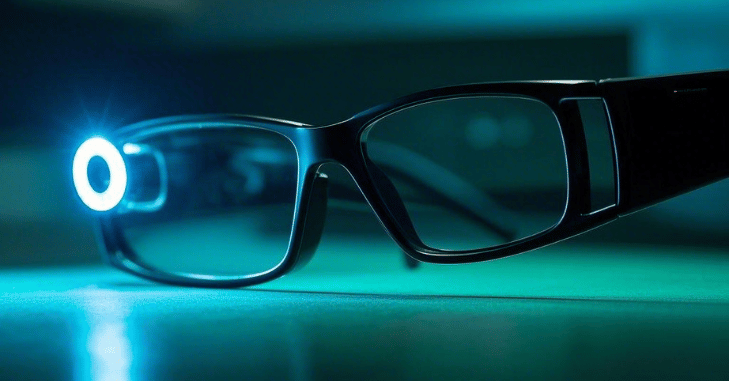
When choosing a pair of headlight glasses, keep these essential features in mind:
1. Lens Tint
Yellow and amber tints are best for reducing glare and enhancing contrast. Clear lenses with anti-reflective coatings may be preferable for some users.
2. Polarization
Polarized lenses cut glare from reflective surfaces like wet roads and headlights. Some drivers may find polarization affects the visibility of LED or digital dashboard displays.
3. Anti-Reflective Coating
Reduces internal reflections on the lenses, improving visibility and comfort. It helps minimize ghost images and halos around lights.
4. UV Protection
It provides added protection from UV rays, which can cause eye strain and potential long-term damage.
5. Frame Comfort and Durability
Lightweight, ergonomic frames ensure a comfortable fit for prolonged use. Adjustable nose pads and flexible arms improve overall comfort.
6. Scratch Resistance
A scratch-resistant coating enhances the durability and longevity of the lenses.
7. Shatterproof Lenses
High-quality glasses often feature impact-resistant lenses, adding durability and protection in case of drops.
8. Wide Field of Vision
Glasses with a broader lens design help maintain a wide field of view, improving spatial awareness while driving.
Best Headlight Glasses for Night Driving
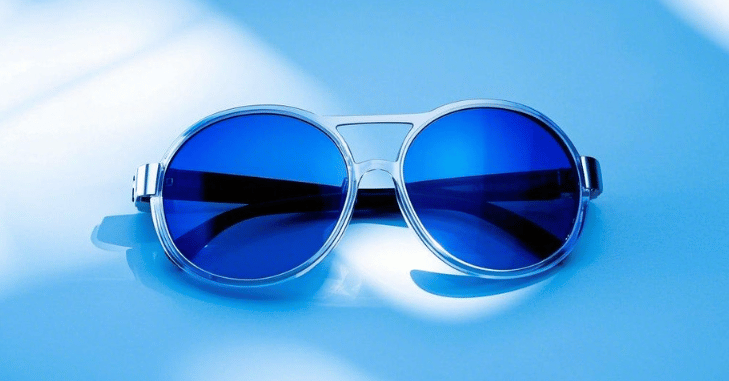
Here are some highly recommended headlight glasses:
- BLUPOND Night Driving Glasses – Feature premium yellow-tinted polarized lenses with anti-glare properties.
- Duco Night Vision Glasses – Durable and well-designed for reducing nighttime glare.
- Optix 55 Night Driving Glasses – Budget-friendly yet practical, with anti-reflective coating.
- SOXICK Night Driving Glasses – Made from military-grade materials for enhanced durability.
- RIVBOS Polarized Night Glasses – Offer excellent contrast enhancement and UV protection.
- Bircen HD Night Vision Glasses – Feature high-quality blue light filtering for clearer vision.
- ClearView Night Glasses – Lightweight and designed for maximum comfort during long drives.
Tips for Getting the Most Out of Your Headlight Glasses
Keep Your Windshield Clean. Dirt and smudges on the windshield can increase glare and reduce visibility. Misaligned or overly bright headlights contribute to glare and make night driving more difficult. Bright dashboard lights can reflect off the windshield, lowering contrast and making it harder to see. If you wear prescription lenses, adding an anti-glare coating improves clarity. Not all headlight glasses work the same for everyone. Trying different options will help you find the best fit for your needs.
Conclusion
Headlight glasses are an excellent investment for anyone who struggles with night driving. They significantly improve safety and comfort by reducing glare, enhancing contrast, and minimizing eye strain. Choosing the right pair with proper tinting, polarization, and anti-reflective coatings will help maximize their effectiveness. If you often find night driving difficult, a high-quality pair of headlight glasses could make a difference, ensuring clearer vision and a safer journey every time you hit the road.
Apart from that if you want to know about “Loft Conversion Cost: A Complete Guide to Pricing, Factors, and Saving Tips for Your Home Renovation” then please visit our “Home Improvement” Category.
FAQs
Headlight glasses are specially designed eyewear that helps reduce glare from oncoming headlights while driving at night. They often feature yellow-tinted or anti-glare-coated lenses to improve visibility and reduce eye strain.
These glasses use an anti-reflective (AR) coating or yellow-tinted lenses to filter out blue light and reduce the intensity of bright headlights, making nighttime driving more comfortable.
Yes, headlight glasses and night-driving glasses are essentially the same. Both are designed to reduce glare from headlights and improve visibility in low-light conditions.
Headlight glasses can help reduce glare and eye strain, but their effectiveness varies depending on lens quality and individual vision needs. Some drivers find them helpful, while others may not notice a significant difference.
Headlight glasses are used to reduce glare from headlights and streetlights while driving at night, helping improve clarity and comfort.