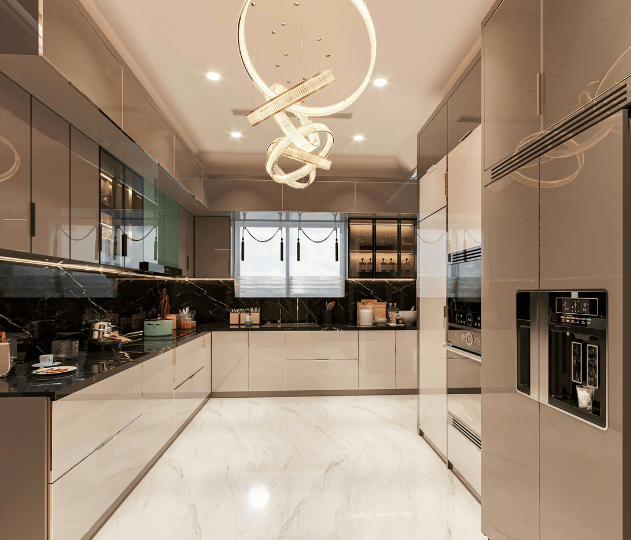
A new fitted kitchen in the UK typically costs somewhere between £6,000 and £17,000 for a budget to mid-range project, and £15,000 to £50,000 or more for a bespoke one, including units, worktops, appliances and fitting. Checkatrade’s October 2026 cost guide puts the average budget renovation at around £11,500 and the average bespoke renovation at around £35,000. Where you land depends mainly on the units you choose, the worktop material, whether you keep the existing layout and how much building work is involved.
The figures below come from UK trade cost guides and consumer research published in 2025 and 2026, and they include VAT where suppliers quote it. Treat them as planning ranges: real quotes vary by region, property and specification, so always get at least three.
New kitchen costs at a glance
| Project | Typical total (supply and fit) | What it usually includes |
|---|---|---|
| Budget kitchen | £5,000 to £12,000 | Flat-pack or entry-level units, laminate worktops, basic appliances, same layout |
| Mid-range kitchen | £10,000 to £20,000 | Trade or high-street units (rigid or pre-built), some upgraded worktops, integrated appliances, new splashback and lighting |
| Bespoke or premium kitchen | £20,000 to £50,000+ | Made-to-measure cabinetry, stone or quartz worktops, an island, premium appliances, possible layout changes |
Ranges overlap because suppliers price differently and sales discounts are a big part of the UK kitchen market. Some retailers advertise 50% or more off list prices almost permanently, so compare final quotes, not headline discounts.
What drives the cost of a new kitchen
1. Kitchen units
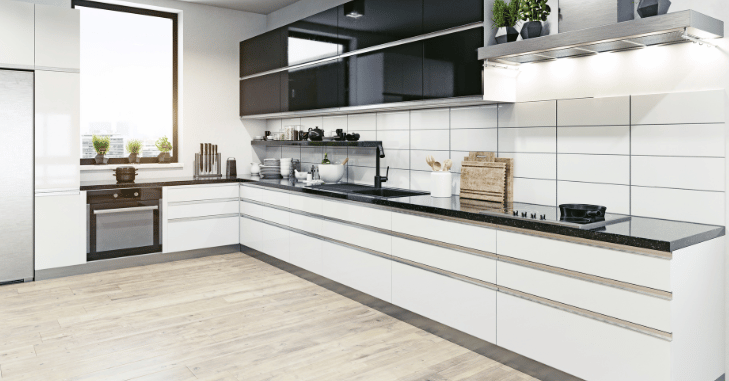
Units are usually the single biggest cost. Which? mystery-shopped a 12-unit kitchen (cabinets only, excluding worktops, sinks, taps and appliances) in May 2025 and found prices from about £1,500 to £2,500 at IKEA, £2,500 to £7,500 at Wickes, £3,000 to £6,000 at Wren, £4,000 to £5,000 at B&Q and £7,000 to £9,000 at Magnet, after the discounts running at the time. Bespoke cabinetry from an independent maker can run from around £10,000 to £40,000.
What you pay for: carcass construction (flat-pack versus rigid, pre-assembled units), door material and finish, soft-close hinges and drawer runners, and internal storage such as pull-out larders and corner solutions.
2. Worktops
| Worktop material | Typical cost for an average kitchen | Notes |
|---|---|---|
| Laminate | £200 to £600 | Cheapest, wide choice of finishes, can be fitted on the day |
| Solid wood (e.g. oak) | £600 to £1,500 | Warm look; needs regular oiling |
| Quartz | £1,500 to £4,000 | Hard-wearing and low maintenance; templated and fitted later |
| Granite | £1,500 to £4,000 | Natural stone; each slab varies |
| Sintered stone or porcelain | £2,000 to £5,000 | Very heat- and scratch-resistant |
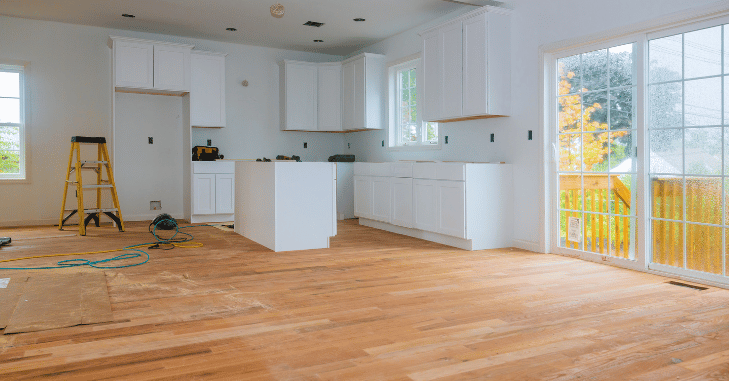
Stone and quartz are normally templated after the units are fitted, then cut and installed one to two weeks later, so allow for a short period without finished worktops.
3. Appliances
Appliance budgets vary more than anything else. Which? found Best Buy-rated basics from roughly £190 for a single oven, £200 for a hob and £230 for a cooker hood in late 2025, so a functional set is possible for around £1,000. Integrated models cost more: trade guides quote roughly £400 to £1,500 for an integrated fridge-freezer, £300 to £1,000 for a dishwasher and £300 to £1,500 for an oven. Keeping appliances that still work can save around £1,000, and Which? members most often said they regretted not spending more on their oven.
4. Fitting and trades
Checkatrade’s 2026 figures put the cost to fit a kitchen at about £3,700 to £9,300 (average £5,200), with kitchen fitters charging around £280 to £360 a day. Which? estimates labour at roughly 20% to 30% of the total if you do none of the work yourself. On top of the fitter, most projects need:
- Electrics: around £500 to £1,500 for new circuits, sockets and under-cabinet lighting.
- Plumbing: around £400 to £1,000 for the sink and dishwasher, plus a similar amount again if the sink moves.
- Splashback tiling: around £300 to £800.
- Flooring: around £500 to £2,000 for vinyl, LVT or tiles.
- Decorating, waste and skip hire: a few hundred pounds each.
Labour rates in London and the South East tend to be noticeably higher than elsewhere, with trade guides suggesting a premium of 20% to 30%.
What each budget level gets you
Budget kitchen (up to about £12,000)
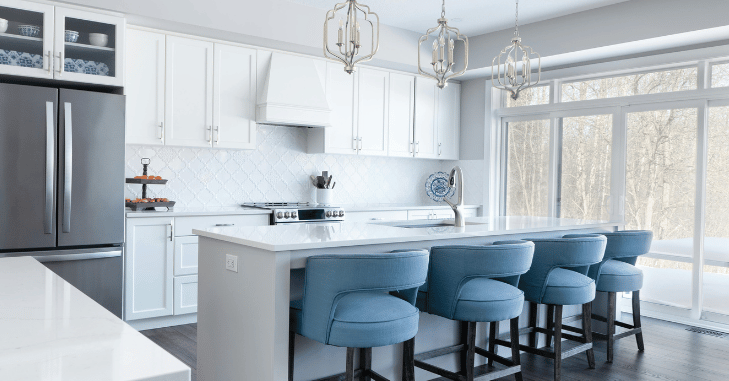
The key to a budget kitchen is keeping the layout. If the sink, cooker and boiler stay put, you avoid most plumbing, gas and electrical costs. Expect flat-pack units, laminate worktops, freestanding or entry-level integrated appliances and vinyl flooring. Replacing only doors, drawer fronts and handles on sound carcasses, or having the existing units professionally resprayed, can refresh a kitchen for a fraction of the cost of full replacement.
Mid-range kitchen (about £10,000 to £20,000)
This is where most UK projects sit. You get rigid units from a trade or high-street supplier, better drawers and storage, integrated appliances, a tiled or glass splashback, upgraded lighting and possibly a quartz or wood worktop. Minor layout tweaks, such as moving a dishwasher or adding a run of tall units, are realistic at this level.
Bespoke or premium kitchen (£20,000 to £50,000+)
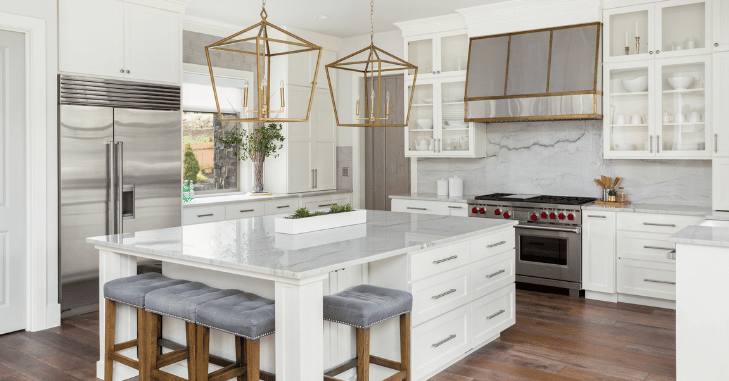
Made-to-measure cabinetry, stone worktops, an island (often £2,000 to £5,000 on its own), premium appliances, boiling-water taps and often a knock-through to create an open-plan kitchen-diner. Large projects in bigger homes can go well beyond £50,000, particularly when combined with an extension.
Hidden costs and UK rules to budget for
- Removing a wall: taking out a load-bearing wall needs a structural engineer’s calculations, a steel beam and Building Regulations approval from building control. Trade guides quote roughly £1,500 to £4,000 for a straightforward opening, with more for wide spans, plus making good the plaster and floor.
- Party walls: if the work affects a wall shared with a neighbour (for example, sitting a beam in it), the Party Wall etc. Act 1996 may require you to serve notice, and surveyor fees can follow.
- Gas work: by law, any work on gas hobs, cookers or pipework must be done by a Gas Safe registered engineer.
- Electrical work: in England, adding a new circuit or replacing the consumer unit is notifiable under Part P of the Building Regulations, so use an electrician registered with a competent person scheme who can self-certify. Older homes may need a partial rewire to cope with modern appliances; our UK light switch guide explains some of the basics.
- Planning and consent: a like-for-like internal kitchen does not normally need planning permission, but listed buildings need listed building consent for many internal changes, and leaseholders usually need the freeholder’s permission for structural or layout work.
- Surprises behind the old units: damp, rotten floorboards, uneven walls and old wiring often appear once the kitchen is stripped out. Older properties are more likely to need extra work; if you are unsure of yours, see how to find out when your house was built.
- Living without a kitchen: budget for takeaways and a temporary setup with a microwave, kettle and portable hob.
A contingency of 10% to 15% of the total is a sensible buffer, more for older houses or projects with structural work.
Example budgets
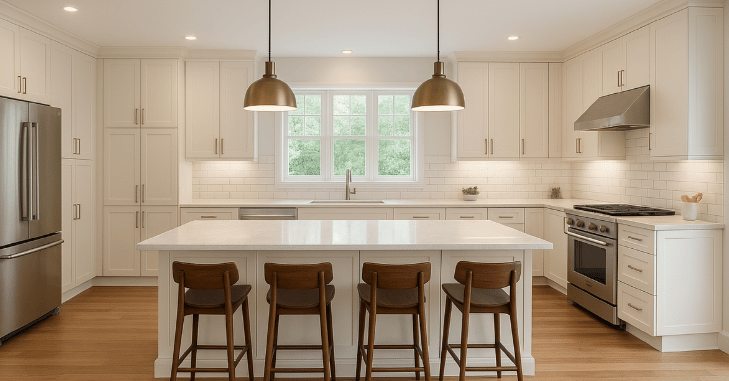
These illustrative breakdowns use the mid-points of the ranges above. Your quotes will differ, but they show where the money goes.
| Item | Small galley, budget | Mid-range L-shape | Premium with island |
|---|---|---|---|
| Units | £2,000 | £5,000 | £15,000 |
| Worktops | £400 | £2,000 | £4,500 |
| Appliances | £1,000 | £2,500 | £6,000 |
| Fitting and trades | £3,500 | £6,000 | £10,000 |
| Flooring, tiling, decorating | £1,000 | £2,000 | £3,500 |
| Approximate total | £7,900 | £17,500 | £39,000 |
DIY or professional fitting?
Confident DIYers can save money on removing the old kitchen, assembling flat-pack units, painting and fitting handles. Leave gas, notifiable electrical work, structural changes and stone worktop installation to qualified professionals. Poor fitting, such as units that are out of level, is hard to fix later and can cost more than the labour you saved.
How long does a new kitchen take?
Allow time for each stage:
- Design and quotes: a few weeks, depending on how many showrooms and fitters you visit.
- Delivery lead time: from days for stock flat-pack ranges to several weeks for made-to-order or bespoke units.
- Fitting: trade guides suggest about 5 to 7 working days for a simple galley or L-shape and 8 to 12 days for a kitchen with an island and stone worktops.
- Stone worktops: usually fitted 7 to 14 days after templating.
Structural work, plastering and drying times add weeks, so a knock-through project can easily take two to three months from first strip-out to finished room.
Ways to save money on a new kitchen
- Keep the layout so plumbing, gas and electrics stay where they are.
- Replace doors, not carcasses, if the existing units are sound, or consider a respray.
- Spend where you touch: good doors, handles and drawer runners make the biggest difference to how a kitchen looks and feels; mix in laminate worktops elsewhere if a stone island is the priority.
- Keep working appliances and upgrade later.
- Compare like for like: get at least three itemised quotes and check whether fitting, waste removal, worktop templating and VAT are included.
- Move laundry out: putting the washing machine in a separate space frees up kitchen units; see our utility room ideas for layouts.
Is a new kitchen worth it?
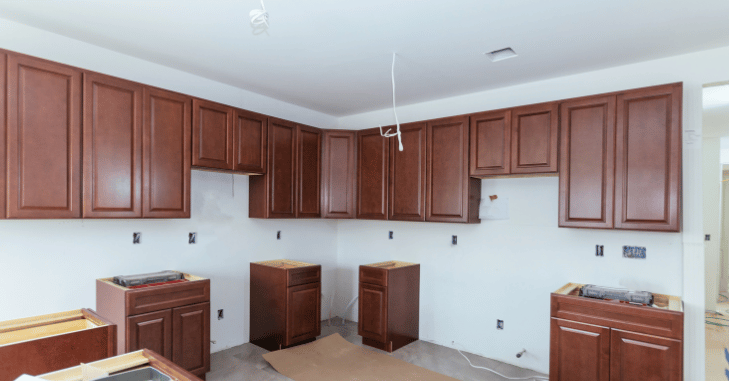
A tired or awkward kitchen can put buyers off, and a modern one helps a home sell. But a new kitchen rarely adds as much value as it costs, so if you are renovating purely for resale, keep the spend proportionate. Magnet, quoted by Which?, suggests a renovation budget of roughly 5% to 10% of the home’s value as a rule of thumb. If you plan to stay for years, everyday usability, storage and energy-efficient appliances are usually the better reasons to invest.
For more practical guides, see our Home Improvement category.
Frequently asked questions
How much does a new kitchen cost in the UK?
Most fitted kitchens cost between about £6,000 and £20,000, with bespoke kitchens from around £15,000 to £50,000 or more. Checkatrade’s 2026 guide puts the average budget renovation at about £11,500 and bespoke at about £35,000.
How much does it cost to fit a kitchen?
Checkatrade’s 2026 figures put kitchen fitting at roughly £3,700 to £9,300, averaging about £5,200, with fitters charging around £280 to £360 a day. Electrics, plumbing, tiling and flooring can add to that.
Do I need planning permission for a new kitchen?
Not normally for an internal kitchen replacement. Removing a load-bearing wall needs Building Regulations approval, listed buildings need listed building consent for many changes, and leaseholders usually need the freeholder’s permission.
What is the most expensive part of a new kitchen?
Usually the units, followed by fitting labour, worktops and appliances. Stone worktops, an island and premium appliances can each move a budget significantly.
How long does it take to fit a new kitchen?
Fitting typically takes about 5 to 12 working days depending on size and complexity, plus 7 to 14 days for stone worktops after templating. Structural work adds weeks.
Costs in this article are general guidance based on published UK cost guides and are not a quote or financial advice. Prices vary by region, supplier and property.